





What's Happening?
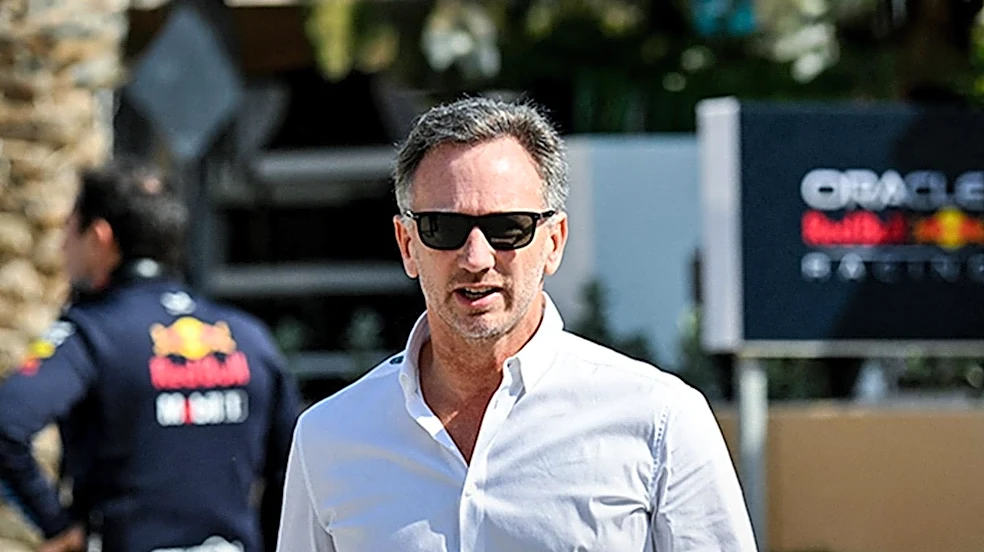
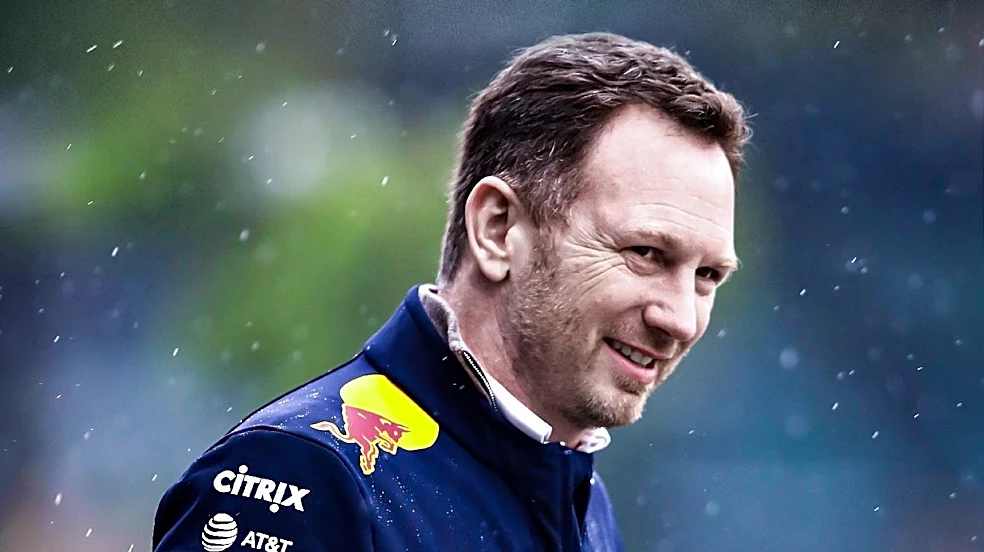
Christian Horner, former Red Bull team principal, has revealed in his new autobiography, 'Drive,' that Lewis Hamilton sought to join Red Bull before his move to Mercedes in 2013. According to Horner, Hamilton, then with McLaren, was experiencing a strained
relationship with his team and mechanical failures in 2012, leading him to explore other options. A 'secret meeting' reportedly took place at Adrian Newey's house near Ascot, where Hamilton expressed his desire to join Red Bull and inquired about the terms. Horner noted that Hamilton's father had also contacted him, indicating a potential shift in Hamilton's interest towards Red Bull. The prospect of pairing Hamilton with Sebastian Vettel was considered tantalizing by Newey. However, the move ultimately did not materialize due to the 'staggering sums' of money required for the deal and reservations from former Red Bull advisor Helmut Marko regarding the impact on Vettel.
Why It's Important?
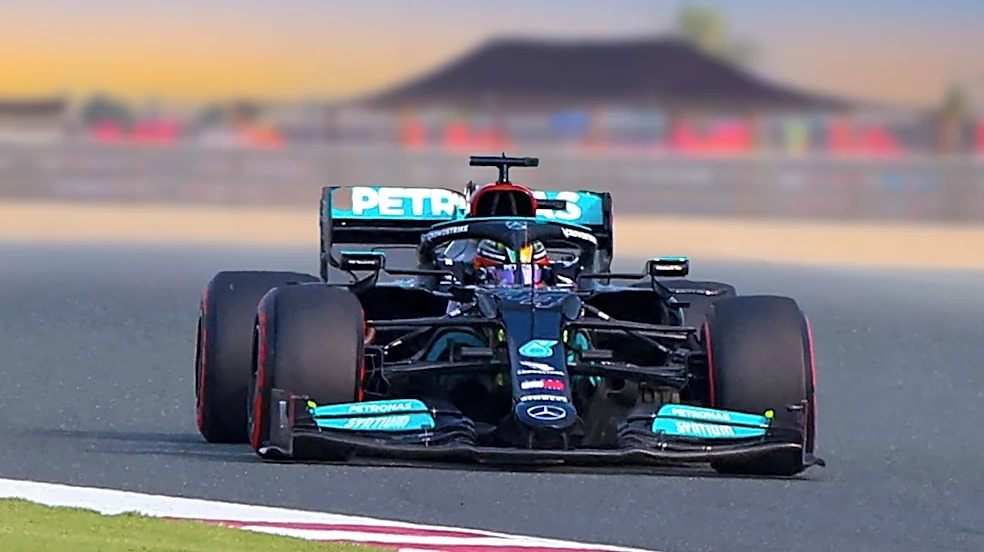
This revelation offers a significant 'what if' scenario in Formula 1 history, potentially altering the trajectory of multiple championships. Had Hamilton joined Red Bull, he would have partnered with Sebastian Vettel, creating a formidable duo that could have dominated the sport even more extensively. This would have prevented his highly successful tenure at Mercedes, where he secured six of his seven world championships. The decision by Red Bull not to pursue the deal, primarily due to financial demands and internal concerns about team dynamics, highlights the complex considerations beyond just driver talent in top-tier motorsport. It also underscores the strategic importance of driver pairings and the financial implications of securing elite talent, shaping team compositions and championship outcomes for years to come.
What's Next?
While this event is historical, its revelation could spark renewed discussions and speculation among Formula 1 fans and pundits about alternative timelines. It may also prompt further insights or reactions from key figures involved, including Lewis Hamilton, Sebastian Vettel, and Adrian Newey, potentially offering their perspectives on the missed opportunity. The disclosure could also influence how current driver market dynamics are perceived, emphasizing that even the most established drivers explore various options. For Red Bull and Mercedes, it serves as a historical footnote that underscores the pivotal decisions made in the past that shaped their respective eras of dominance. The book's release will likely generate continued interest in the behind-the-scenes dealings of Formula 1.
Beyond the Headlines
The story delves into the intricate human and financial elements that underpin professional sports at the highest level. It highlights how personal relationships, team dynamics, and financial negotiations can be as crucial as raw talent in shaping a career. Hamilton's apparent vulnerability and desire for change at McLaren, despite his status as a world champion, illustrate the pressures and frustrations even top athletes face. The 'secret meeting' aspect adds a layer of intrigue, showcasing the clandestine nature of high-stakes negotiations in Formula 1. Furthermore, the internal debate within Red Bull regarding the potential impact on Sebastian Vettel underscores the delicate balance teams must maintain when considering bringing in another superstar, weighing potential benefits against existing team harmony and established hierarchies. This narrative provides a rare glimpse into the strategic chess game played off the track.