







What's Happening?
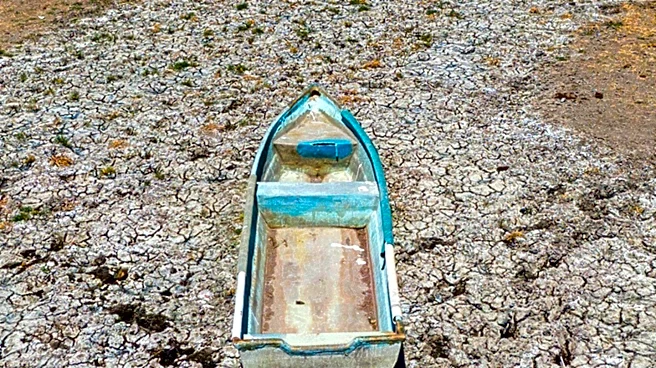
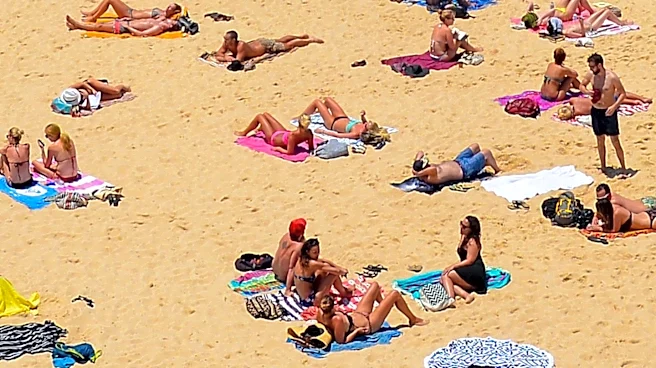
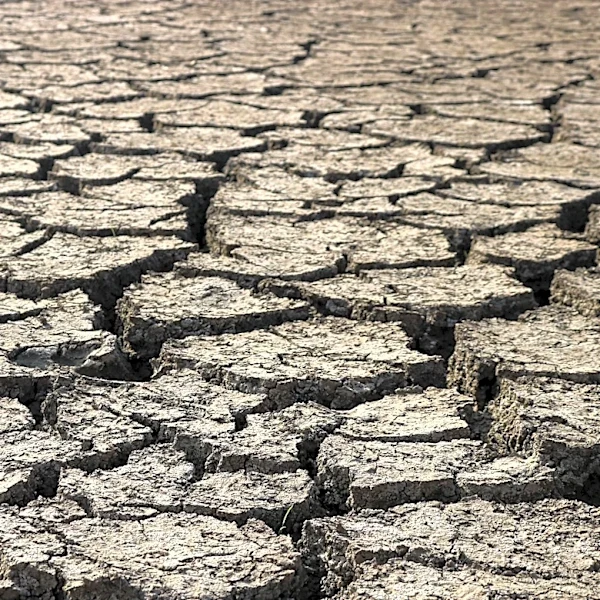
A severe heatwave is currently affecting several European countries, including France, the United Kingdom, Italy, Switzerland, and Spain, leading to significant disruptions in travel plans. France has recorded its hottest day on record, with temperatures
reaching 44.3 degrees Celsius in the southwest. In response, major tourist attractions like the Eiffel Tower have announced early closures. The heatwave has prompted health warnings and red alerts across multiple regions, with Italy issuing its highest-level alert for 15 cities. The UK is experiencing near-record temperatures, causing schools to plan early closures. Spain has issued red alerts and canceled traditional bonfires due to wildfire risks. The heat has also strained transport networks, with trains being canceled or delayed. In light of these conditions, travel companies like Intrepid are adjusting their itineraries, focusing on early morning or late evening activities to avoid the peak heat of the day.
Why It's Important?
The ongoing heatwave highlights the growing impact of climate change on global travel and tourism. As temperatures rise, traditional travel seasons are being disrupted, prompting companies to adapt by shifting focus to less crowded and cooler shoulder seasons. This shift not only affects travel companies' operational strategies but also impacts local economies that rely heavily on tourism. The need for adaptation underscores the broader challenges posed by climate change, including increased health risks and infrastructure strain. The situation also emphasizes the importance of sustainable travel practices and the need for destinations to develop strategies to cope with extreme weather conditions.
What's Next?
Travel companies are likely to continue adjusting their strategies to accommodate changing climate patterns. This may involve further shifts in travel seasons and increased emphasis on educating travelers about heat safety. Destinations may also need to invest in infrastructure improvements to better handle extreme weather events. Additionally, there could be increased collaboration between governments and the travel industry to develop comprehensive plans for managing the impacts of climate change on tourism. As the frequency and intensity of heatwaves increase, these adaptations will become crucial for maintaining the viability of the tourism sector.