





What's Happening?
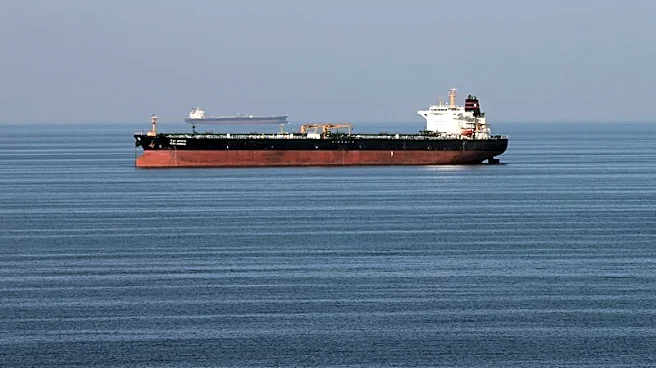
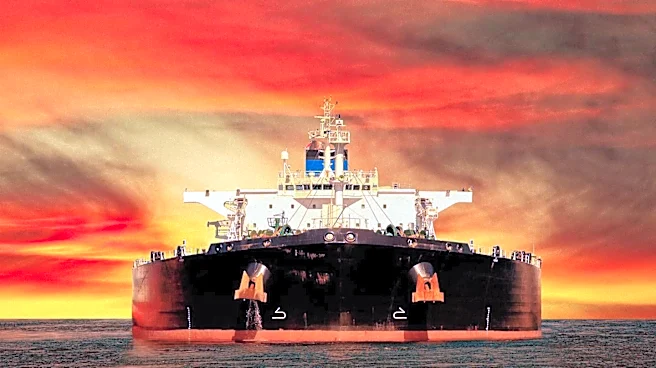
Phillips 66, a major U.S. energy company, has significantly reduced its reliance on Middle Eastern oil, particularly from Saudi Arabia, due to a complete halt in Saudi oil deliveries to the U.S. in July. This disruption, the first since 1985, is attributed
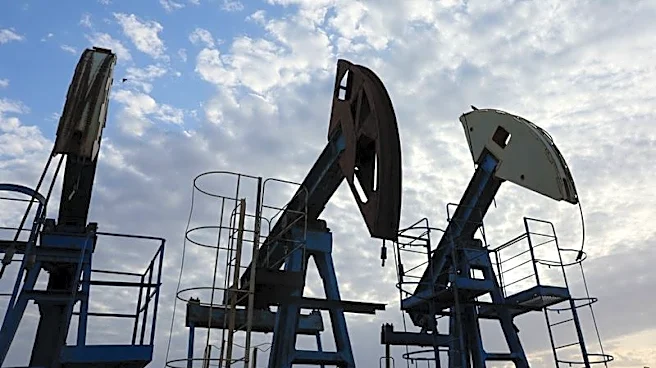
to the ongoing crisis in the Strait of Hormuz, which has impeded oil exports from the Gulf region. In response, Phillips 66 has shifted its sourcing strategy to utilize light crude oil from U.S. production areas, supplying its New Jersey refinery. This adjustment comes as U.S. refineries seek alternative suppliers to compensate for the loss of over 800,000 barrels per day previously imported from Saudi Arabia.
Why It's Important?
The shift by Phillips 66 highlights the broader impact of geopolitical tensions on global oil supply chains. The disruption in Saudi oil imports forces U.S. refineries to adapt quickly, potentially affecting fuel prices and supply stability. This situation underscores the vulnerability of global energy markets to regional conflicts and the strategic importance of diversifying energy sources. For Phillips 66, reducing dependency on Middle Eastern oil could mitigate future risks associated with geopolitical instability, while also supporting domestic oil production.
What's Next?
As the situation in the Strait of Hormuz evolves, U.S. refineries, including Phillips 66, will continue to monitor and adjust their sourcing strategies. The potential reopening of the Strait could restore some level of normalcy, but ongoing tensions may prompt further diversification efforts. Additionally, the U.S. government and energy companies might explore long-term strategies to enhance energy security and reduce reliance on volatile regions.