







What's Happening?
Actor Danny Trejo is currently filming 'Pawn Shop,' a movie produced by Ben Shapiro’s Daily Wire, which has been described as pro-ICE. Trejo's son, Gilbert Trejo, stated that his father was unaware of Shapiro's involvement or political stance when he signed
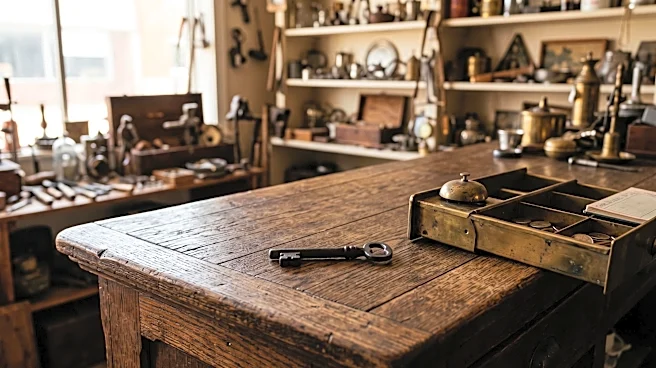
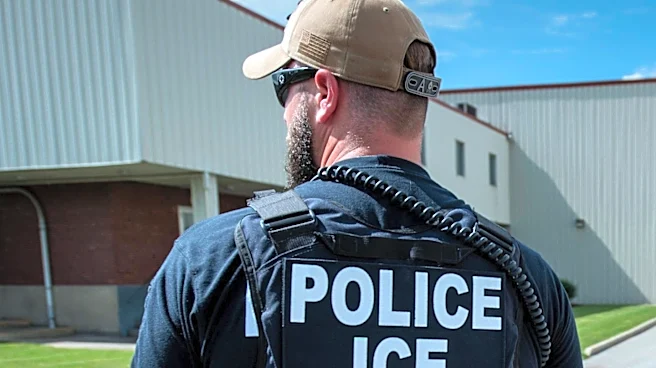
on for the role. Gilbert explained that his 82-year-old father was excited to play a 'good guy'—a hard-edged Hispanic veteran—after a career often portraying criminals. The film's logline describes a young ICE officer who, after his partner is killed in a 'Minneapolis riot,' must complete a high-stakes arrest alone and barricades himself in a pawn shop with Trejo's character and his progressive grandson. Trejo is reportedly contractually bound and cannot speak negatively about the film or Shapiro without facing a breach of contract lawsuit. Trejo himself has publicly stated he is pro-immigrant and not pro-ICE.
Why It's Important?
This situation highlights the complex intersection of entertainment, politics, and personal values, particularly for public figures. For Danny Trejo, a beloved Mexican American actor known for his community support and pro-immigrant stance, his involvement in a film perceived as pro-ICE creates a significant public relations challenge and potential backlash from his fanbase. It also underscores the power dynamics within the film industry, where contractual obligations can limit an actor's ability to disassociate from projects that conflict with their personal beliefs. The incident brings attention to the growing trend of politically aligned production companies, such as Ben Shapiro's Daily Wire, creating content that reflects specific ideological viewpoints. This can lead to increased scrutiny of actors' choices and the potential for audiences to view their participation as an endorsement of the underlying political message, regardless of the actor's personal intentions.
What's Next?
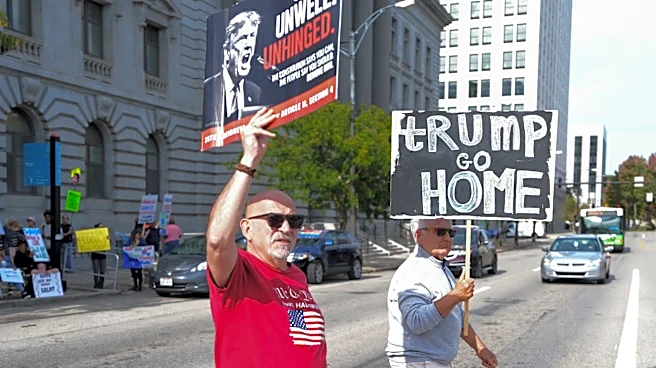
The film's production is ongoing, and it is likely to face continued scrutiny and potential protests, as indicated by earlier reports of Montana locals protesting the film's production. Danny Trejo and his representatives will likely continue to manage the public perception of his involvement, emphasizing his personal pro-immigrant views and the contractual constraints he faces. The incident may prompt other actors to conduct more thorough due diligence on production companies and their political affiliations before signing contracts. It could also lead to further discussions within the entertainment industry about the ethical responsibilities of actors and the implications of working with politically charged content. The release of 'Pawn Shop' will likely be met with strong reactions from both supporters and critics, further fueling the debate around the film's themes and its association with Ben Shapiro's Daily Wire.
Beyond the Headlines
This event touches upon broader themes of artistic integrity versus commercial necessity and the increasing politicization of cultural products. In an era where media consumption is often intertwined with political identity, the choice of an actor to participate in a film can be interpreted as a political statement, even if unintended. This can create a difficult environment for artists who may prioritize work opportunities or compelling roles over strict ideological alignment. Furthermore, the incident highlights the potential for media outlets with strong political leanings to leverage popular figures, sometimes without their full awareness, to advance their narratives. It also raises questions about the transparency of film production processes and the information provided to talent during contract negotiations, especially when dealing with sensitive or controversial themes. The 'handcuffed' metaphor used to describe Trejo's situation speaks to a perceived lack of agency that can affect even established actors in the industry.