








What's Happening?
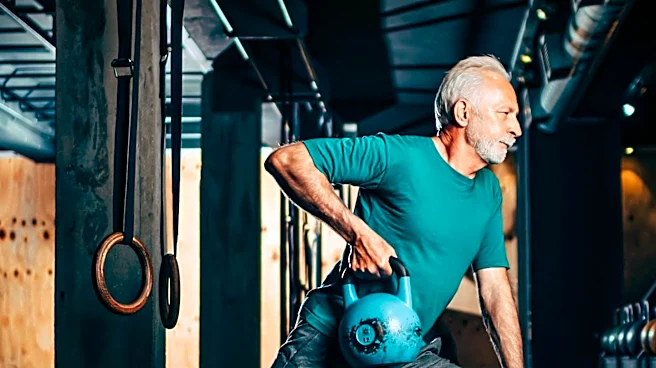
Dr. Amir Khan, a health expert, has outlined five non-negotiable health habits for men over 35 to combat age-related decline. Among these, daily balance training and strength training twice a week are highlighted as crucial. Dr. Khan emphasizes that balance,
which relies on the cerebellum, inner ear, and proprioceptors, declines after 35 unless challenged, significantly increasing the risk of falls and injuries. Simple exercises like balancing on one leg while brushing teeth are recommended. Similarly, strength training is vital because muscle fibers and bone density decrease from the mid-30s onwards. These exercises send mechanical signals to muscles and bones, promoting stronger rebuilding, which protects metabolism, joint stability, glucose control, and reduces long-term fracture risk. The advice aims to help men maintain their quality of life as they age.
Why It's Important?
This guidance is important for public health, particularly for the aging male population in the U.S., as it addresses proactive measures against common age-related health issues. By focusing on balance and strength training, individuals can potentially reduce healthcare burdens associated with falls, fractures, and metabolic disorders. The emphasis on accessible, low-time-commitment activities like balancing during daily routines or two weekly strength sessions makes these recommendations practical for a broad demographic, including those with busy schedules. Implementing these habits could lead to a healthier, more independent older population, reducing the strain on healthcare systems and improving overall societal well-being. Furthermore, it empowers individuals to take control of their health trajectory, potentially delaying or mitigating the onset of chronic conditions.
What's Next?
Individuals over 35 are encouraged to integrate daily balance exercises and twice-weekly strength training into their routines. Health and fitness professionals may incorporate these recommendations into their programs, offering tailored advice and support. Public health campaigns could also leverage this information to promote healthy aging practices. The long-term impact will likely be a gradual shift in health outcomes for those who adopt these habits, potentially leading to a decrease in age-related injuries and an improvement in overall physical function. Further research may explore the most effective ways to implement these practices across diverse populations and measure their broader societal and economic benefits.
Beyond the Headlines
The recommendations from Dr. Khan underscore a broader shift in understanding healthy aging, moving beyond reactive treatment to proactive prevention. This approach highlights the interconnectedness of physical systems, where maintaining balance and muscle mass has cascading benefits for metabolic health, bone density, and injury prevention. It also challenges the perception that significant time commitments are necessary for effective health interventions, promoting the integration of simple, consistent habits into daily life. Culturally, this could foster a greater appreciation for functional fitness and longevity, encouraging individuals to view physical activity not just for aesthetics but as a fundamental component of sustained well-being and independence in later life.