





What's Happening?
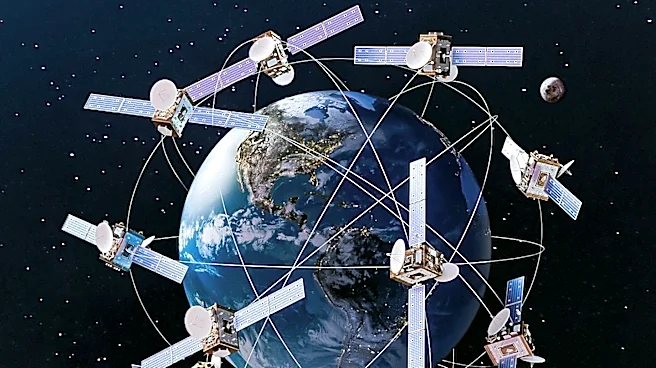
AST SpaceMobile and Rakuten announced on November 9 the formation of Rakuten AST, a joint venture aimed at building a direct-to-device satellite network in Japan. Rakuten Group will hold 51% of the voting rights, with an AST SpaceMobile subsidiary holding
49%. This venture is expected to receive up to 148 billion yen, approximately $1 billion, in government support under Japan’s J-LEO program. AST SpaceMobile is slated to supply the necessary satellites, with domestic operations targeted to commence by the end of March 2029. This announcement led to an 11% surge in AST SpaceMobile stock, contributing to a broader rebound in space sector stocks, including Rocket Lab and SpaceX.
Why It's Important?
This joint venture signifies a significant development in the global satellite communications industry, with potential implications for the U.S. space sector. AST SpaceMobile, a U.S.-based company, is a key technology provider in this partnership, demonstrating American innovation in satellite technology. The substantial government support from Japan highlights the strategic importance of direct-to-device satellite networks, which could set a precedent for similar initiatives in other countries, including the U.S. For U.S. investors, the surge in AST SpaceMobile's stock, alongside other space companies like Rocket Lab and SpaceX, indicates growing confidence in the commercial space industry. This collaboration could also accelerate the development and deployment of advanced satellite technologies, benefiting U.S. companies involved in manufacturing, launching, and operating satellites.
What's Next?
AST SpaceMobile is scheduled to report its Q3 results after the market closes on November 9, which will provide further insights into its financial health and future plans following this major announcement. The company's commitment to supplying satellites for the Rakuten AST venture means continued production and technological development. The target of domestic operations by March 2029 suggests a multi-year development and deployment phase. Success in Japan could pave the way for AST SpaceMobile to pursue similar direct-to-device satellite network partnerships in other international markets, potentially expanding its global footprint and further solidifying its position in the U.S. space industry. The broader space sector will likely continue to be influenced by these developments, with investors closely watching the progress of such ventures.
Beyond the Headlines
The creation of direct-to-device satellite networks, as exemplified by Rakuten AST, represents a paradigm shift in global connectivity. This technology aims to bypass traditional cellular infrastructure, offering ubiquitous mobile coverage, particularly in remote or underserved areas. For the U.S., this could mean enhanced disaster relief communication, improved rural broadband access, and new opportunities for innovation in mobile services. The strategic partnership between a U.S. company and a Japanese conglomerate, supported by government funding, also underscores the increasing geopolitical importance of space technology and international collaboration in critical infrastructure development. This trend could lead to a re-evaluation of regulatory frameworks and investment strategies in the U.S. to ensure competitiveness in the evolving space economy.