


What's Happening?
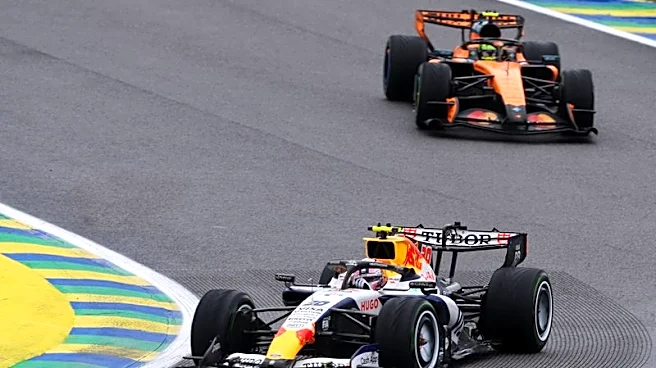
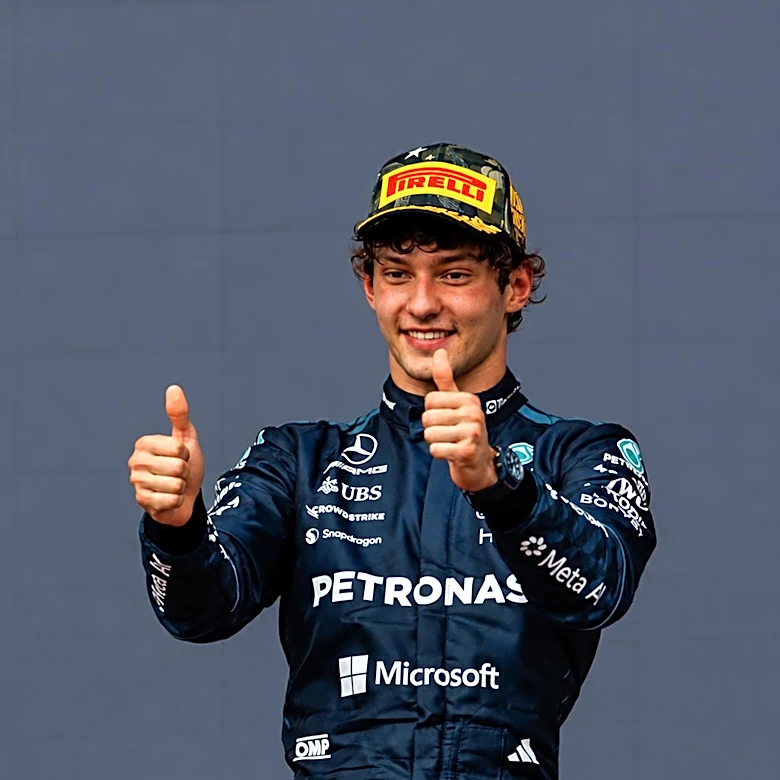
McLaren driver Lando Norris has publicly stated his desire for Formula 1 to host a Grand Prix in Argentina in the near future. This announcement comes just a month after Norris experienced significant online abuse from Argentine fans. The backlash stemmed
from comments he made following a crash at the Azerbaijan Grand Prix involving himself and Argentine driver Franco Colapinto. Norris had suggested Colapinto did not deserve to be in F1 based on the incident, a remark he later apologized for, clarifying that he and Colapinto remain friends. Despite the previous negative interactions, Norris expressed enthusiasm for racing in the Americas, citing Brazil, Mexico, and Austin as some of his favorite venues. He emphasized the positive aspect of adding new locations to the F1 calendar. Following Norris's comments, Buenos Aires Mayor Jorge Macri revealed ongoing discussions with F1 stakeholders to bring the sport back to Argentina, with plans to renovate the Oscar and Juan Galvez racing track as a key step.
Why It's Important?
Norris's support for an Argentine Grand Prix is significant as it signals a potential expansion of Formula 1's presence in South America, a region with a passionate motorsport fanbase. His willingness to advocate for the race, despite recent personal negative experiences with some Argentine fans, highlights a broader commitment to the sport's global reach and growth. For Argentina, securing an F1 race could provide a substantial economic boost through tourism, hospitality, and international exposure. It also represents a potential return to a rich motorsport heritage, as the country previously hosted the Argentine Grand Prix multiple times. The involvement of Buenos Aires Mayor Jorge Macri underscores the political and economic will within Argentina to make this a reality, indicating that discussions are beyond preliminary stages and involve concrete plans for infrastructure development.
What's Next?
The immediate next step for Argentina's bid to host an F1 Grand Prix involves the renovation of the Oscar and Juan Galvez racing track in Buenos Aires. Mayor Jorge Macri indicated that a subsequent meeting with F1 executives would ideally occur once the track is prepared, signaling that infrastructure development is a critical prerequisite. For Formula 1, the potential addition of Argentina to its calendar would require assessing the commercial viability, logistical challenges, and long-term commitment, which Macri stated would need to be at least five years. The ongoing dialogue between Argentine officials and F1 stakeholders will determine the feasibility and timeline for a return to the country. The positive sentiment from a prominent driver like Norris could also influence F1's decision-making process, adding a driver's perspective to the commercial and logistical considerations.
Beyond the Headlines
This situation highlights the complex interplay between sports, national pride, and online fan behavior. The initial online abuse directed at Norris following his comments about Franco Colapinto underscores the intensity of fan loyalty and the challenges athletes face in managing public perception, especially across different cultures. Colapinto's subsequent plea to his fans to cease the abuse also points to a growing awareness among athletes about the detrimental impact of such behavior on their careers and the sport's image. Norris's decision to look past the negative experience and support a race in Argentina demonstrates a professional approach focused on the broader good of Formula 1. This incident could serve as a case study for how sports organizations and athletes navigate fan interactions in the digital age, emphasizing the need for constructive engagement over hostile rhetoric.