





What's Happening?
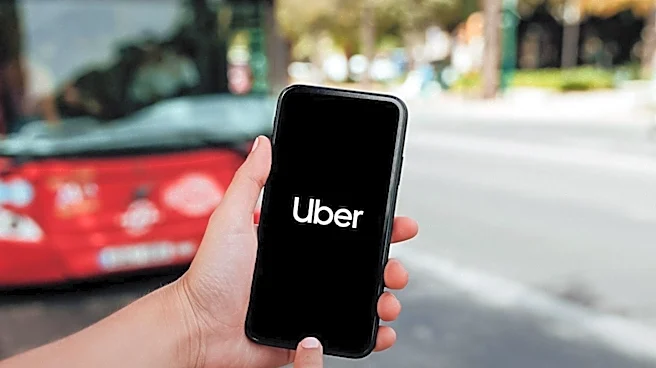
Uber has initiated a pilot program, 'Uber Kids,' in Austin, Texas, Nashville, Tennessee, and Madison, Wisconsin, allowing children as young as 10 to use its ride-hailing service. This new offering builds upon the 'Uber Teens' program, which caters to 13-
to 17-year-olds. The 'Uber Kids' program is designed with several mandatory safety features. Parents or guardians must create a family profile for their child, complete an onboarding process detailing safety protocols, and utilize PIN verification for each ride. A parent or guardian is required to be present at the pickup location and provide the driver with specific drop-off instructions. Only highly-rated drivers, who have been invited to participate, undergo thorough background checks, and complete a specialized 'Uber Kids' education module, are eligible. These drivers must also consent to live video streaming within their vehicles, enabling parents to monitor the trip in real-time. Uber assures that all video recordings are encrypted and not accessible to drivers, and that GPS and sensor data will track the ride for any unexpected deviations.
Why It's Important?
This expansion into the pre-teen market represents a significant strategic move for Uber, aiming to capture a new segment of customers: families seeking convenient transportation for their children. If the pilot proves successful, it could unlock a substantial revenue stream for the company by catering to the logistical needs of busy parents. However, the program also introduces heightened responsibilities and potential liabilities for Uber and its drivers, given the age of the passengers. The emphasis on stringent safety measures, such as mandatory parental presence at pickup, PIN verification, and live video streaming, is crucial for addressing public concerns about child safety and building trust among parents. The success of 'Uber Kids' could set a precedent for how ride-hailing services integrate into family life, potentially influencing the broader market for child transportation solutions and raising industry standards for safety and accountability.
What's Next?
The 'Uber Kids' program is currently a limited pilot, and its future beyond the initial three cities is contingent on its performance and public acceptance. Uber is actively incentivizing driver participation by offering a $20 bonus for the first 'Uber Kids' trip and an additional $7 per subsequent trip, acknowledging the increased responsibility involved. The company will need to continuously evaluate the effectiveness of its safety protocols, monitor driver and parent feedback, and assess the overall demand for the service. If the pilot is successful, Uber may expand the program to more cities, potentially intensifying competition with other specialized child transportation services. The ongoing challenge will be to maintain a high standard of safety and trust while scaling the service to meet market demand.
Beyond the Headlines
The launch of 'Uber Kids' highlights evolving societal norms regarding child independence and parental reliance on external services. While offering a practical solution for modern family logistics, it also sparks broader discussions about the implications of technology-mediated transportation for minors. The use of live video streaming, despite encryption, raises questions about privacy and surveillance in the context of child safety. This initiative could contribute to a shift in how children experience mobility and independence, potentially altering traditional family routines and community support systems. Furthermore, the program's success or failure could influence regulatory frameworks for ride-hailing services involving minors, prompting policymakers to consider new guidelines for safety, driver vetting, and data privacy in this emerging market segment.