






What's Happening?
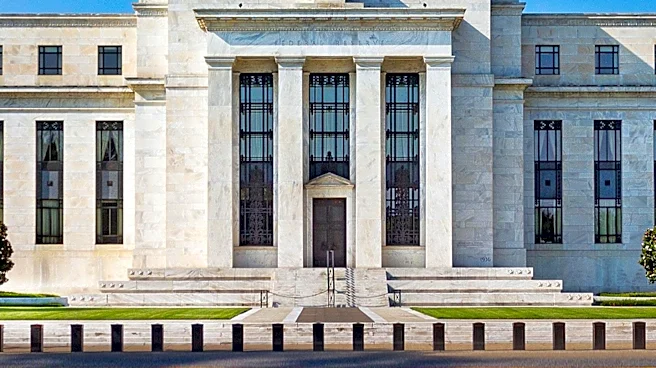
The Federal Reserve Board (FRB) and the Federal Deposit Insurance Corporation (FDIC) have proposed updates to Regulation O, which governs the extension of credit to bank insiders. This regulation, originally enacted to prevent preferential lending and insider abuse,
has not been comprehensively updated since 1979. The proposed changes aim to retain the regulation's core safeguards while updating dollar thresholds and addressing its application to investment-fund portfolio companies. Key updates include increasing the limit for credit-card debt excluded from 'extension of credit' from $15,000 to $60,000, and raising the threshold for prior board approval of an insider loan from $500,000 to $2 million. These changes are expected to particularly benefit community banks, whose directors and officers often have legitimate borrowing needs.
Why It's Important?
The proposed modernization of Regulation O is significant as it addresses outdated financial thresholds that have not kept pace with inflation and economic changes over the decades. By updating these thresholds, the FRB and FDIC aim to reduce the regulatory burden on banks, particularly community banks, while maintaining necessary safeguards against insider abuse. This move could enhance the operational flexibility of banks, allowing them to better serve their communities and stakeholders. Additionally, the proposal reflects a broader regulatory trend towards modernizing financial regulations to align with current economic realities, potentially setting a precedent for future updates to other longstanding regulations.
What's Next?
The FRB and FDIC are seeking public comments on the proposed changes, particularly regarding the use of nominal GDP as an indexing measure and the treatment of bank borrowers held by passive asset managers. Stakeholders, including banks, financial institutions, and community groups, are expected to provide feedback on these proposals. The outcome of this consultation process will determine the final form of the regulation and its implementation timeline. If adopted, these changes could lead to further regulatory reviews and updates, potentially impacting other areas of financial regulation.