




What's Happening?
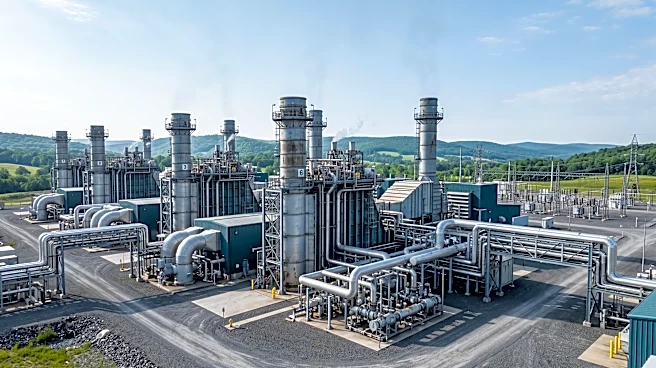
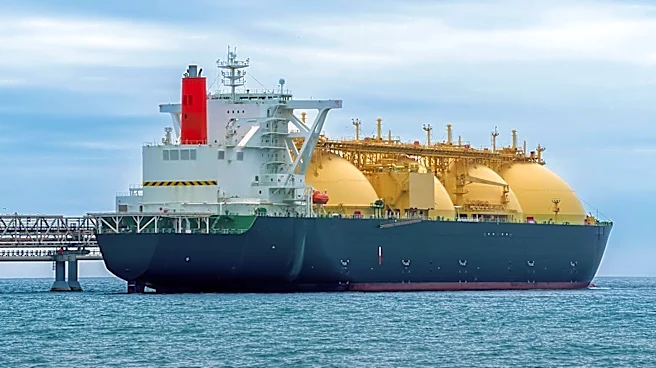
The U.S. Federal Energy Regulatory Commission (FERC) has authorized a significant expansion of the Sabine Pass LNG terminal located in Cameron Parish, Louisiana. This approval includes the addition of three new liquefaction trains at the existing facility.
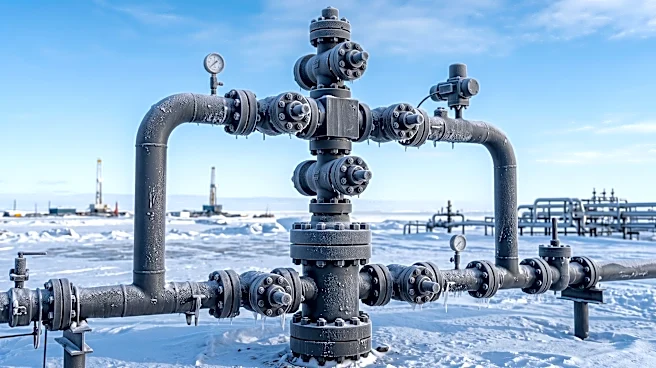
Concurrently, FERC also sanctioned the expansion of the Creole Trail pipeline and the construction of a new interstate pipeline, Sabine Crossing, both designed to serve the expanded terminal. This decision marks a crucial step in the permitting process for increasing U.S. liquefied natural gas (LNG) export capabilities. The expansion aims to enhance the infrastructure necessary for processing and transporting natural gas for international markets, contributing to the nation's role as a global energy supplier.
Why It's Important?
This authorization by FERC is important for several reasons, primarily impacting the U.S. energy sector and its global trade position. The expansion of the Sabine Pass LNG terminal, coupled with new pipeline infrastructure, will significantly increase the country's capacity to export LNG. This boost in export capacity can strengthen the U.S.'s energy independence and its influence in international energy markets, particularly in supplying natural gas to allies. For U.S. industries, this means potential growth in natural gas production, processing, and transportation sectors, creating jobs and stimulating economic activity in regions like Louisiana. Energy consumers globally could benefit from a more diversified and potentially stable supply of natural gas, while U.S. natural gas producers stand to gain from increased demand and access to international markets. Conversely, environmental groups may raise concerns regarding the increased fossil fuel infrastructure and its long-term climate impact.
What's Next?
Following FERC's approval, the next phase will likely involve detailed engineering, procurement, and construction activities for the three new liquefaction trains at the Sabine Pass LNG terminal, as well as the Creole Trail pipeline expansion and the new Sabine Crossing pipeline. This will entail substantial investment and project management to bring the expanded facilities online. The increased export capacity is expected to come into effect over the next few years, gradually boosting the volume of U.S. LNG available for international markets. This development could also influence future energy policy discussions regarding U.S. natural gas production and export strategies, potentially leading to further infrastructure proposals or regulatory reviews as the global energy landscape evolves.
Beyond the Headlines
The FERC approval for the Sabine Pass LNG expansion extends beyond immediate economic and energy impacts, touching upon broader geopolitical and environmental considerations. From a geopolitical standpoint, increased U.S. LNG exports can serve as a tool for energy diplomacy, offering alternative supply sources to countries seeking to reduce reliance on other nations. This could enhance U.S. strategic alliances and influence. Environmentally, the expansion of fossil fuel infrastructure raises questions about the nation's commitment to climate goals and the transition to renewable energy. While natural gas is often considered a cleaner-burning fossil fuel than coal, its extraction, processing, and transportation still contribute to greenhouse gas emissions. This development highlights the ongoing tension between energy security, economic growth, and environmental sustainability in U.S. policy.