





What's Happening?
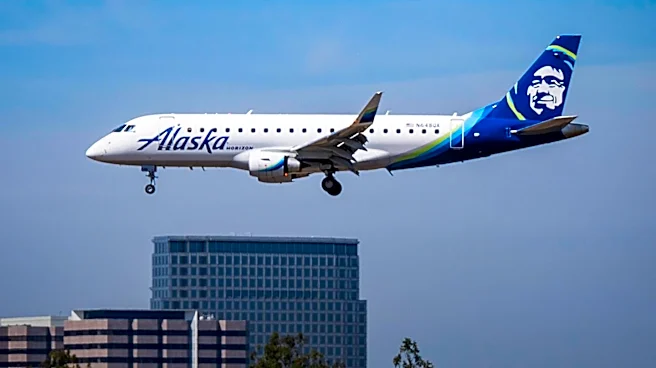
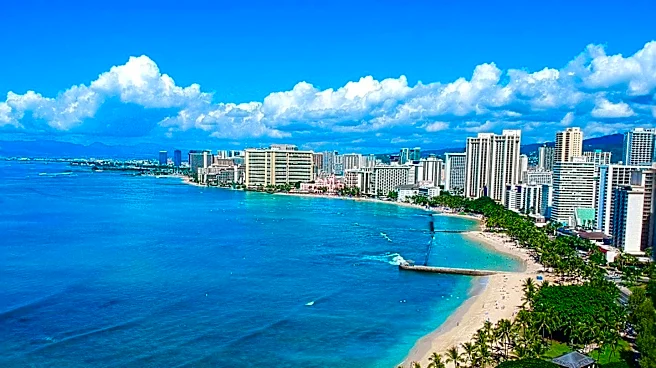
Alaska Air Group is eliminating 48 positions in Hawaii as part of a companywide reduction of approximately 200 management jobs. This decision comes in response to surging fuel costs, rising overhead, and a strategic effort to streamline management and realign
the organization nearly two years after its combination with Hawaiian Airlines. Of the 48 affected positions in Hawaii, 40 jobs are being eliminated, and eight employees are being offered alternative roles within the company. Additionally, two senior leadership members, Jim Landers, head of Hawaii operations, and Shelly Parker, head of Hawaii guest operations, are retiring at the end of the year, and their positions will also be eliminated as part of this restructuring. Affected employees received 60-day Worker Adjustment and Retraining Notification notices and will continue to receive pay through December 31, along with severance and transition support.
Why It's Important?
This restructuring by Alaska Air Group highlights the significant financial pressures facing the airline industry, particularly from escalating fuel costs and geopolitical challenges. The company's President and CEO, Ben Minicucci, indicated that if current conditions persist, the airline could face an adjusted pretax loss of up to $700 million this year, marking its first such loss outside of the pandemic since 2003. The job cuts, while not directly tied to the $1.9 billion acquisition of Hawaiian Holdings, are a direct consequence of the need to reduce overhead that has grown disproportionately to revenue. This move underscores a broader trend in the airline sector where companies are forced to make difficult decisions to maintain financial stability and long-term viability in a volatile economic environment, impacting employees and local economies.
What's Next?
The layoffs will officially take effect on November 13, with affected employees receiving pay and support through December 31. Alaska Air Group will continue its efforts to streamline management and realign its organization, focusing on priorities that strengthen the company for the long term. The airline's leadership, including Hawaiian Airlines CEO Diana Birkett Rakow, has expressed confidence in the combined carrier's ability to face financial headwinds as a merged entity, despite the immediate challenges. The company will likely continue to monitor fuel prices and geopolitical developments, which remain critical factors influencing its financial performance and future operational decisions. Further adjustments to strategy or operations could occur depending on market conditions.
Beyond the Headlines
The decision by Alaska Air Group to cut jobs, even while offering support to affected employees, reflects the ongoing tension between corporate financial health and employee welfare in a competitive and cost-sensitive industry. The emotional toll of such layoffs, as acknowledged by Hawaiian Airlines CEO Diana Birkett Rakow, underscores the human impact of corporate restructuring. This situation also brings into focus the strategic rationale behind airline mergers; while intended to create stronger, more resilient entities, they often involve difficult integration processes and cost-cutting measures. The emphasis on 'clear-eyed' stewardship suggests a corporate culture prioritizing long-term sustainability, even if it means short-term pain for some employees, raising questions about the balance between shareholder value and social responsibility.