



What's Happening?
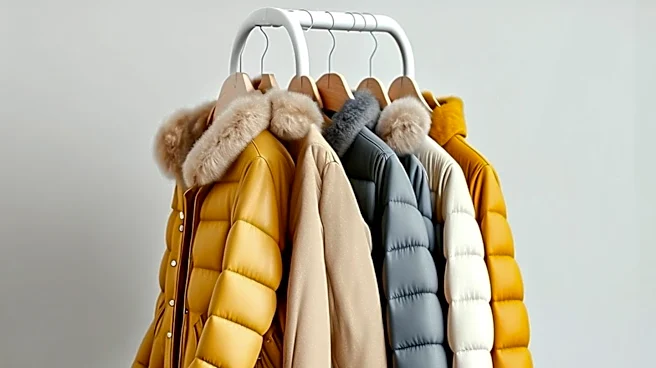
Italian outerwear brand Herno is reintroducing its 'Hero' down jacket, originally launched in the 1970s, as part of its Fall/Winter 2026 collection. This revival emphasizes a unisex design, maintaining the jacket's signature glossy finish and lightweight
construction. The updated version will feature a new color palette, including fiery red, ochre, soft blue, and green. The reintroduction leverages Herno’s extensive technical expertise to combine practical winter wear with a more expressive use of color. This move highlights the brand's strategy of drawing from its archives to create contemporary pieces that resonate with current fashion trends while honoring its heritage. The original 'Hero' jacket was known for its durability and style, and its return aims to showcase the enduring appeal of well-crafted outerwear. The collection seeks to balance functionality with aesthetic appeal, offering a versatile garment for a broad consumer base.
Why It's Important?
The reintroduction of Herno's unisex 'Hero' jacket is significant as it reflects a broader trend in the fashion industry towards gender-neutral clothing and the revival of classic designs. This move by a prominent outerwear brand can influence consumer preferences and purchasing habits, encouraging a more inclusive approach to fashion. For the U.S. market, where genderless fashion is gaining traction, Herno's offering could appeal to a diverse demographic seeking versatile and stylish apparel. It also underscores the value of heritage brands leveraging their archives to stay relevant and sustainable in a competitive market. The emphasis on technical expertise and a refreshed color palette suggests an effort to meet modern consumer demands for both quality and aesthetic variety. This trend could also impact other fashion brands, prompting them to explore similar strategies of reissuing popular vintage designs with contemporary updates, thereby influencing design cycles and marketing approaches within the industry.
What's Next?
Following the launch of Herno's Fall/Winter 2026 collection, the fashion industry will likely observe consumer reception to this revived unisex design. Success could encourage other luxury and mainstream brands to delve into their own archives for similar reintroductions, further solidifying the trend of vintage revivals and gender-neutral apparel. Retailers in the U.S. will monitor sales performance to gauge the demand for such pieces, potentially influencing their inventory and merchandising strategies for future seasons. Designers may also draw inspiration from Herno's approach, leading to more collections that blend historical elements with modern sensibilities. Additionally, the focus on technical expertise and diverse color palettes could set new benchmarks for outerwear design, pushing competitors to innovate in both material science and aesthetic presentation. The broader impact could be a continued shift towards more sustainable and timeless fashion pieces, moving away from fast fashion cycles.
Beyond the Headlines
Beyond the immediate fashion trend, Herno's reintroduction of a unisex jacket touches upon deeper cultural shifts regarding gender identity and consumer values. The move towards gender-neutral clothing challenges traditional sartorial norms, promoting inclusivity and self-expression. This reflects a growing societal acceptance of fluidity in identity, where clothing is seen less as a marker of gender and more as a form of personal style. Ethically, reviving classic designs can also be viewed as a more sustainable practice, as it promotes longevity and reduces the constant demand for entirely new creations, aligning with eco-conscious consumer values. Legally, as gender identity becomes more recognized, brands that offer inclusive sizing and styles may gain a competitive edge and avoid potential discrimination claims. Culturally, this trend signifies a move away from rigid binaries in fashion, fostering a more diverse and accepting marketplace where individuals can choose clothing that genuinely reflects their identity, rather than conforming to prescribed gender roles.