
What's Happening?
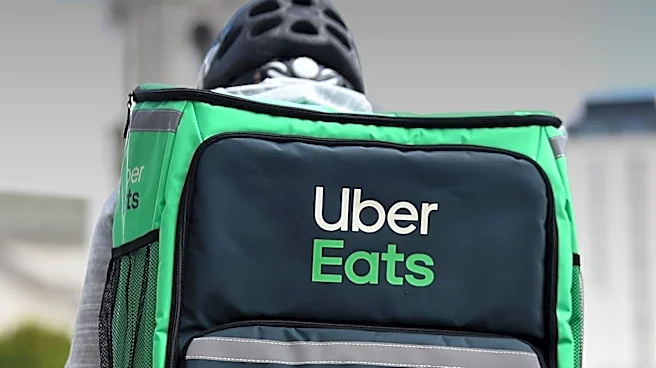
Uber Eats is expanding its same-day grocery delivery services in Danville, North Carolina, allowing residents to order from various supermarkets, convenience stores, local grocery shops, and neighborhood
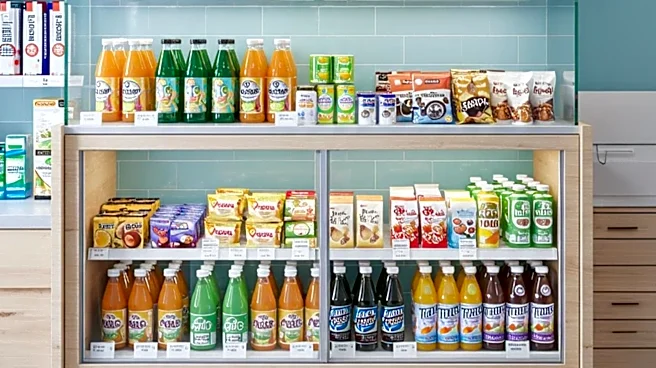
delis. The service offers rapid delivery, with some groceries arriving in as little as 25 minutes. Customers can track their orders and estimated arrival times. This expansion provides a convenient option for obtaining fresh produce, pantry staples, snacks, drinks, household items, and last-minute ingredients. Uber Eats also offers a pickup option from some grocery stores in Danville, where customers can order online and collect their groceries themselves. The availability of stores and delivery times can vary based on location, courier availability, basket size, and delivery destination.
Why It's Important?
The expansion of rapid grocery delivery services by Uber Eats in Danville signifies a growing trend in the U.S. toward on-demand convenience for everyday essentials. This service directly impacts local consumers by providing greater accessibility to groceries, especially for those with limited mobility, busy schedules, or without personal transportation. It also intensifies competition within the local retail market, pushing traditional grocery stores to either partner with delivery platforms or enhance their own online and delivery capabilities. For businesses, partnering with Uber Eats can expand their customer reach and potentially increase sales, while also requiring adjustments to in-store operations for order fulfillment. The promise of delivery in as little as 25 minutes sets a new standard for speed, influencing consumer expectations across the grocery sector.
What's Next?
As Uber Eats continues to expand and refine its grocery delivery services, it is likely to face increased competition from other delivery platforms and traditional retailers. The company will need to maintain efficient logistics and a reliable network of couriers to meet the demand for rapid delivery. Local grocery stores in Danville and similar markets may explore further partnerships with Uber Eats or invest in their own delivery infrastructure to remain competitive. Consumer adoption rates will be key, driven by factors such as pricing, delivery fees, and the quality of service. The success of these rapid delivery models could also influence urban planning and traffic patterns as more delivery vehicles operate in residential areas. Furthermore, the data collected from these services could provide valuable insights into local purchasing habits and preferences.
Beyond the Headlines
The rise of ultra-fast grocery delivery services like Uber Eats in smaller markets like Danville raises questions about the future of brick-and-mortar retail and the nature of employment in the gig economy. While offering convenience, these services can put pressure on local businesses that may struggle to compete with the scale and technological capabilities of larger platforms. The reliance on independent contractors for deliveries also brings into focus issues of worker benefits, fair wages, and job security. Additionally, the environmental impact of increased short-distance deliveries, including vehicle emissions and packaging waste, will become a more prominent concern. The shift towards on-demand consumption could also alter community dynamics, potentially reducing foot traffic in local stores and changing how people interact with their neighborhoods.