



What's Happening?
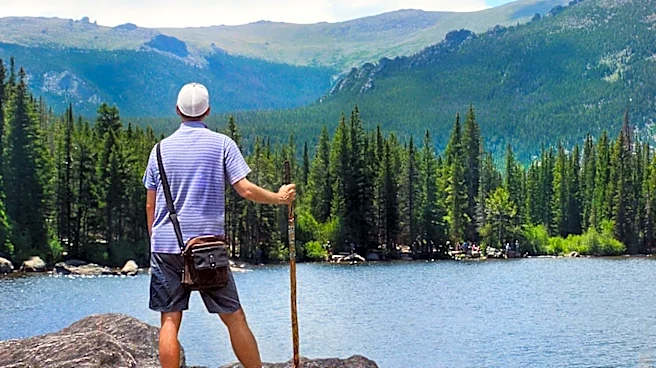
A Colorado local highlights three state parks as ideal alternatives to the more crowded national parks in the state. These parks include Roxborough State Park, Staunton State Park, and Eldorado Canyon State Park, each offering unique natural beauty and recreational
opportunities. Roxborough State Park is known for its towering red sandstone formations, while Staunton State Park features granite peaks and diverse wildlife. Eldorado Canyon State Park is a renowned rock climbing destination with dramatic sandstone cliffs. These parks are accessible day trips from Denver, providing visitors with less crowded and affordable outdoor experiences.
Why It's Important?
The emphasis on state parks as alternatives to national parks is significant for tourism and local economies. By promoting these lesser-known parks, the pressure on popular national parks can be alleviated, potentially reducing environmental impact and enhancing visitor experiences. This approach also supports local businesses and communities by attracting tourists to different areas. Additionally, it highlights the importance of preserving natural spaces and the role of state parks in offering diverse recreational opportunities. The focus on state parks can lead to increased awareness and funding for their maintenance and conservation.
What's Next?
As more visitors seek out these state parks, there may be increased efforts to improve infrastructure and facilities to accommodate growing numbers. This could include enhancing trails, parking, and visitor centers. Local tourism boards might also develop marketing campaigns to further promote these parks. Additionally, there could be collaborations with conservation groups to ensure the protection of these natural areas. The trend of exploring state parks may inspire other states to highlight their own lesser-known parks, contributing to a broader movement of sustainable tourism.
Beyond the Headlines
The promotion of state parks over national parks raises questions about resource allocation and environmental stewardship. It highlights the need for balanced tourism strategies that protect natural habitats while providing public access. This shift also reflects changing travel preferences, with more people seeking unique and less crowded experiences. The historical and cultural significance of these parks, such as the preservation of land once inhabited by indigenous peoples, adds depth to their appeal. This development may influence future policies on land use and conservation at both state and national levels.