




What's Happening?
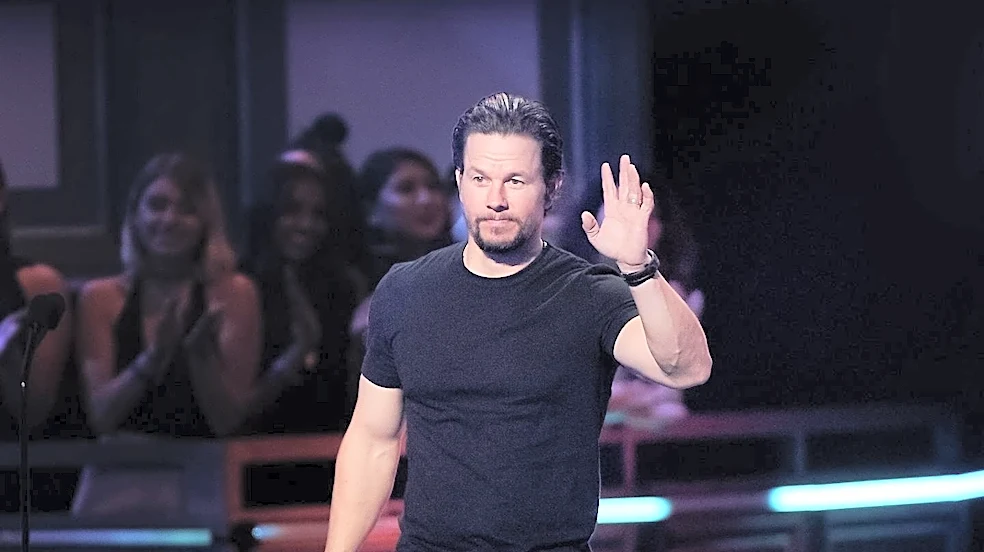
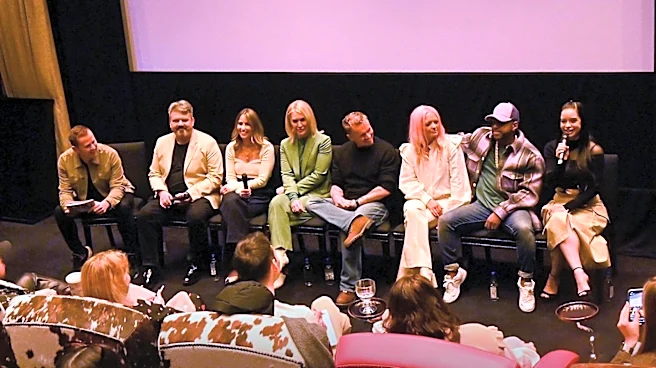
Actor Mark Wahlberg addressed the impact of artificial intelligence on Hollywood during his appearance at San Francisco's TechCrunch Disrupt conference. Wahlberg, who drew the largest crowd of the week, discussed how AI could enhance filmmaking, particularly
in his upcoming Pete Rose biopic, where it might be used to improve stadium settings rather than replace human performances. He expressed support for AI as a tool to augment creative work but emphasized that storytelling should remain central and that AI should not generate scripts without human involvement. The conversation also touched upon the use of digital likenesses, with Wahlberg stating he would only consider it if his children and grandchildren controlled its future use. This aligns with California's evolving legal framework, including Assembly Bill 1836 and Assembly Bill 2602, which address the unauthorized commercial creation and distribution of digital replicas of deceased performers and mandate specific contractual agreements for AI-generated digital replicas.
Why It's Important?
Wahlberg's insights highlight the ongoing debate within the entertainment industry regarding AI's role, particularly concerning creative integrity, job security for actors and writers, and intellectual property rights. His stance reflects a cautious optimism, advocating for AI as an enhancement tool rather than a replacement for human artistry. The discussion also underscores the growing legal and ethical complexities surrounding digital likenesses and AI-generated content. California's recent legislative efforts, such as Assembly Bill 1836 and 2602, are crucial in establishing legal frameworks to protect performers' rights and control over their digital identities. These developments are significant for the future of Hollywood, as they will shape how AI is integrated into film production, potentially influencing everything from visual effects and script development to the long-term careers of actors and creators. The balance between technological advancement and human creative control is a critical issue for the industry.
What's Next?
The entertainment industry will likely continue to grapple with the integration of AI, with ongoing discussions and negotiations between studios, unions, and individual artists. The legal landscape in California, with its new Assembly Bills, will serve as a precedent for how digital likenesses and AI-generated content are regulated. Performers and their representatives, such as SAG-AFTRA, will continue to advocate for clear consent, fair compensation, and control over the use of their digital replicas. As AI technology advances, there will be a continuous need to update legal frameworks and industry agreements to address new capabilities and challenges. The production of films like Wahlberg's Pete Rose biopic will serve as practical examples of how AI can be utilized in a supportive role, potentially setting new standards for its application in creative projects. The industry will also need to address the ethical implications of AI, ensuring that it serves to enhance, rather than diminish, human creativity and employment.
Beyond the Headlines
The conversation around AI in Hollywood extends beyond immediate production concerns to deeper philosophical questions about artistry, legacy, and the nature of human performance. The concept of a 'digital afterlife' for performers, as facilitated by technologies like the CAA Vault, raises profound ethical questions about identity, ownership, and the potential for exploitation. Wahlberg's condition that his children and grandchildren control his digital likeness speaks to a desire for generational control over one's artistic legacy. This also touches upon the broader societal implications of AI, where the line between human and machine-generated content becomes increasingly blurred. The legal and ethical frameworks developed in the entertainment industry could serve as models for other sectors grappling with AI's impact on intellectual property, labor, and personal identity. The long-term cultural shift could redefine what it means to be an artist and how creative works are produced and consumed.