
What's Happening?
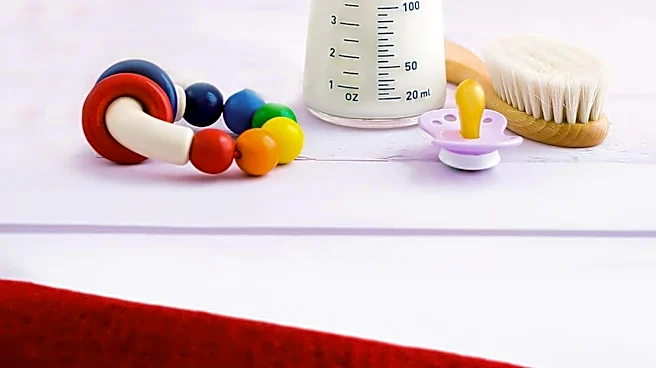
A growing trend sees adults, particularly those with sensitive skin or conditions like eczema, turning to baby toiletries for their skincare needs. Beauty editors and consumers are discovering that baby products,
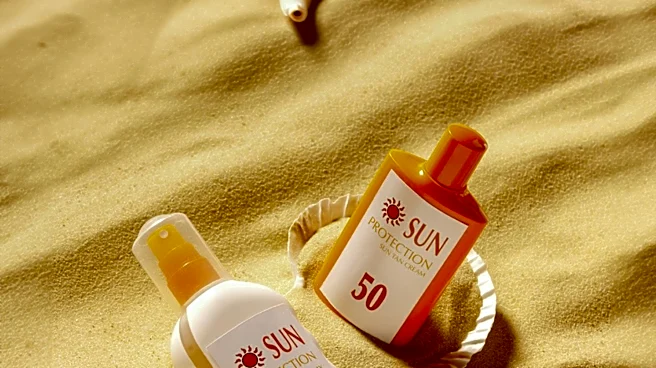
often formulated with gentler, fragrance-free ingredients, can be highly effective for adult skin. These products are also typically more affordable and can simplify bathroom routines by allowing entire families to use the same items. Examples include calendula nappy cream for eczema flare-ups, large cotton wool pads for makeup removal, gentle two-in-one shampoos, subtle pillow sprays for sleep, no-rinse cleansing waters, oat-based bath milks for soothing skin, non-greasy SPF50+ sunscreens, emollient creams for dry skin, and multipurpose body washes. Even antiseptic healing creams and pure baby oils are being repurposed for adult use, such as treating bites and moisturizing cuticles.
Why It's Important?
This trend highlights a shift in consumer priorities towards gentler, more effective, and often more economical skincare solutions. For individuals with sensitive skin, the harsh chemicals and fragrances often found in adult beauty products can cause irritation, making baby formulations a safer and more comfortable alternative. The adoption of baby products by adults also underscores a broader consumer demand for transparency in ingredients and a move away from overly complex or expensive skincare routines. This could influence the beauty industry to develop more 'skin-friendly' and minimalist product lines, potentially leading to a wider range of gentle, fragrance-free options for all ages. Furthermore, the cost-effectiveness of many baby products makes quality skincare more accessible, challenging the notion that effective skincare must be expensive.
What's Next?
The increasing popularity of baby products among adults may lead to a re-evaluation of marketing strategies within the beauty and personal care industries. Manufacturers might start highlighting the 'gentle' and 'sensitive skin' benefits of their baby lines to attract adult consumers, or even develop new product categories that bridge the gap between baby and adult skincare. We could see more brands emphasizing natural, hypoallergenic, and fragrance-free formulations across their entire product range. This trend might also encourage consumers to be more discerning about product ingredients and less swayed by elaborate marketing claims, fostering a more informed and health-conscious approach to personal care. The continued sharing of personal testimonials and recommendations, particularly from beauty experts, will likely further fuel this movement.
Beyond the Headlines
This phenomenon touches on several deeper implications. Ethically, it raises questions about the necessity and efficacy of many specialized adult beauty products, suggesting that simpler, less chemically intensive formulations might be sufficient for many. Culturally, it challenges traditional beauty standards that often promote complex, multi-step routines and expensive products, advocating for a more minimalist and functional approach to self-care. It also subtly critiques the 'pink tax' or gendered pricing often seen in personal care items, as baby products are typically gender-neutral and priced more competitively. The trend reflects a growing consumer awareness and a desire for products that are not only effective but also safe, sustainable, and economical, aligning with broader movements towards conscious consumption and wellness.