
What's Happening?
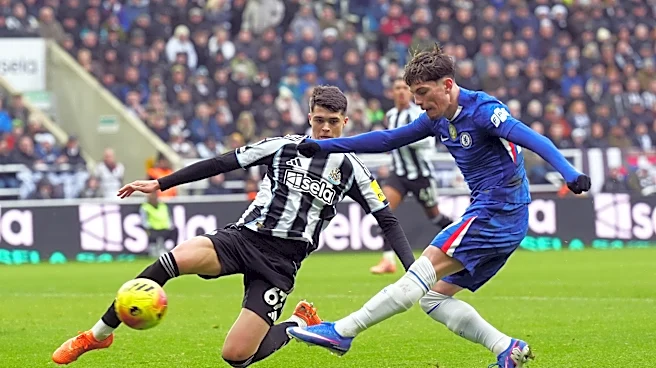
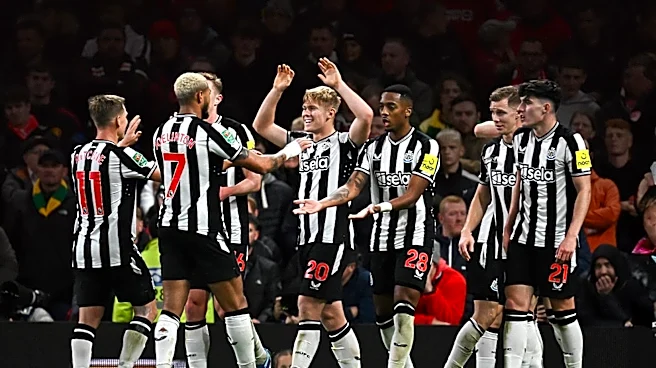
Newcastle United fans are being urged to maintain positive support for their team, following instances of booing directed at their own players during recent matches, notably against Everton. The author of the article, a Newcastle United fan, highlights
that while frustration is a natural part of sports, booing one's own team can have detrimental consequences. It is argued that such actions can erode player confidence, particularly for young or new players, leading to more cautious play and a diminished performance. The article emphasizes that the club's reputation, historically built on the loyalty and passion of its supporters, is at risk of being reinterpreted as volatility by external observers, including pundits, rival fans, and potential recruits. This shift in perception could negatively impact the club's ability to attract and retain talent, as atmosphere is a significant factor for players and managers considering a move.
Why It's Important?
The dynamic between sports fans and their teams is a critical element of the sporting ecosystem, and this article underscores its profound impact. The call for positive support for Newcastle United is important because it addresses the psychological toll that negative fan reactions can take on professional athletes. Confidence is a fragile asset in sports, and its erosion due to home crowd hostility can directly translate into poorer on-field performance, creating a vicious cycle of frustration. Beyond individual player impact, the collective behavior of a fanbase shapes a club's reputation. A reputation for a volatile or unsupportive home crowd can deter prospective players and managers, affecting recruitment and the overall quality of the team. This, in turn, can have long-term consequences for the club's competitiveness, commercial appeal, and its standing within the league. The article suggests that while accountability is necessary, the method of expressing discontent can either be constructive or destructive to the club's future.
What's Next?
The immediate future will reveal whether Newcastle United fans heed the call for more positive support. The team's performance in upcoming matches will undoubtedly influence fan sentiment, but the article suggests that the fans' response to periods of struggle will define their character. If the booing continues, it could further entrench a negative atmosphere, potentially impacting player morale and recruitment efforts. Conversely, a conscious effort by fans to maintain a supportive environment, even during challenging times, could help rebuild player confidence and reinforce the club's historical reputation for unwavering loyalty. This situation presents a test for the symbiotic relationship between the team and its supporters, with the outcome potentially influencing the club's trajectory in the Premier League. The article implies that the choice made by the fans in the stands will be as crucial as the players' efforts on the pitch.
Beyond the Headlines
This issue transcends the immediate concerns of Newcastle United and touches upon broader themes of fan culture, sports psychology, and the commercialization of professional sports. The article implicitly questions the notion that paying for a ticket grants an unconditional right to express negativity, suggesting that such actions have consequences that extend beyond personal satisfaction. It highlights the ethical responsibility of fans to consider the impact of their behavior on the human beings performing under immense pressure. In an era where social media amplifies fan sentiment, the collective voice of a fanbase can have a magnified effect, both positive and negative. This situation also prompts reflection on the evolving nature of loyalty in modern sports, where immediate results often overshadow long-term commitment. The challenge for clubs and fan groups is to foster an environment where passion is channeled constructively, preserving the unique bond between a team and its community while navigating the pressures of elite competition.