
What's Happening?
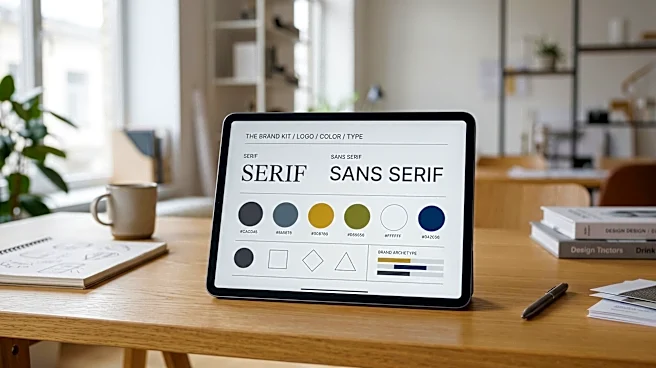
Luma AI is introducing AI-powered tools designed to help creative teams maintain brand consistency by integrating brand kits directly into their production workflows. These tools enable the automatic extraction
of brand elements like color palettes, typography, and logos from existing marketing materials. The platform's 'Layers' feature allows for precise editing, meaning specific elements within an approved creative asset can be changed—such as updating a background for a seasonal campaign or swapping product images for regional localization—without requiring a complete regeneration of the entire asset. This approach ensures that approved brand elements, visual styles, and logos remain consistent with the overall creative direction, even when adapting content for different markets or product updates. The goal is to bridge the gap between documented brand guidelines and their consistent execution in daily creative production.
Why It's Important?
This development is highly significant for U.S. businesses and marketing departments, particularly those managing extensive campaigns across various channels and regions. Maintaining brand consistency is a critical challenge, with many organizations struggling to enforce their brand guidelines effectively. Luma AI's tools address this by making approved assets readily accessible within the production environment, reducing friction and preventing inconsistencies that often arise under deadline pressure. This can lead to stronger brand recognition, enhanced customer trust, and significant efficiency gains by reducing revision cycles and accelerating regional launches. For companies, this means a more unified brand presence, which is vital for competitive differentiation and market impact. The ability to adapt creative content quickly while preserving core brand elements allows businesses to be more agile and responsive to market changes.
What's Next?
Businesses are expected to increasingly leverage AI tools like Luma AI to automate and streamline their brand management processes. The focus will be on integrating these tools into existing creative workflows to ensure that brand guidelines are not just documented but actively enforced throughout content creation. Luma AI will likely continue to develop its 'Ad Variants' feature, enabling the creation of localized versions of approved creative across formats and languages while preserving key visual details. The company may also enhance its AI-powered brand extraction capabilities to provide more nuanced insights into brand identity. As brands evolve, the platform will need to support dynamic updates to brand kits, ensuring they remain living documents that adapt to new products, markets, and creative strategies. The long-term trend points towards a future where AI plays a central role in ensuring consistent brand representation across all touchpoints.
Beyond the Headlines
The integration of AI into brand kit management highlights a broader trend towards intelligent automation in marketing and creative industries. This shift has profound implications for how brands are built, maintained, and evolved. By automating the enforcement of brand guidelines, AI can free up human creatives to focus on more strategic and innovative aspects of branding, such as developing new brand narratives or exploring emerging visual trends. However, it also raises questions about the potential for algorithmic rigidity, where strict adherence to guidelines might stifle creative experimentation or cultural adaptation. The challenge will be to strike a balance between automated consistency and human creativity, ensuring that AI serves as a powerful assistant rather than a prescriptive master. This evolution could lead to new roles for 'brand AI strategists' who specialize in configuring and overseeing these intelligent systems to achieve optimal brand impact.