


What's Happening?
The design of primary bathrooms is undergoing a significant transformation, moving beyond mere utility to become private wellness retreats. This shift, highlighted by Natalia Neverko, reflects a broader trend in interior and residential design that prioritizes
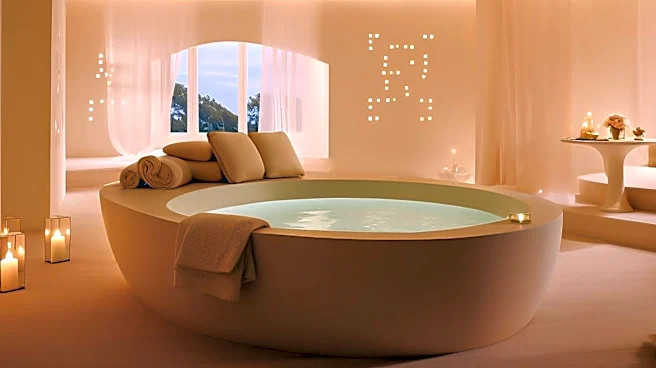
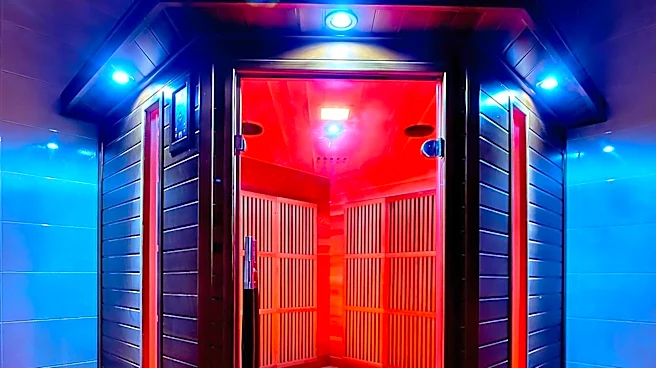
how spaces make people feel, rather than just their aesthetic appeal. The modern primary bathroom is envisioned as a sanctuary for bathing, grooming, recovery, and quiet reflection, integrating architectural clarity, precise water control, sensory comfort, and long-term performance. This evolution requires a coordinated approach involving layout, lighting, ventilation, acoustics, materials, plumbing, storage, ergonomics, and technology to create a serene environment supported by measurable performance. The goal is to transform routine activities into opportunities for relaxation and rejuvenation, with elements like immersive showers, freestanding bathtubs, and carefully selected materials contributing to a spa-like experience.
Why It's Important?
This trend signifies a growing emphasis on personal well-being and health within the home environment, impacting the luxury interior design and residential construction industries in the U.S. Homeowners are increasingly investing in spaces that support their physical and emotional health, creating a new market demand for specialized design services and high-end wellness-focused products. This shift could lead to innovations in bathroom technology, materials, and sustainable practices, such as water-saving fixtures and recirculating shower systems. For consumers, it means a potential increase in home value and an enhanced quality of life through daily access to restorative spaces. The focus on longevity and well-being in design also suggests a move away from purely aesthetic trends towards more functional and health-conscious living environments, influencing future architectural and interior design standards.
What's Next?
The integration of advanced technology and craftsmanship will continue to define these wellness-focused bathrooms. Digital shower valves, radiant floor heating, and smart toilets are becoming more common, alongside bespoke design details and handmade fixtures. Designers will increasingly focus on creating a sophisticated balance between modern engineering and traditional craftsmanship. The industry can expect to see further development in sustainable bathroom solutions, including more efficient water usage and environmentally friendly materials. This trend is likely to expand beyond private residences to boutique hotels and high-end multi-family developments, as the demand for restorative spaces grows across various sectors. The emphasis on environmental quality, including air, light, and sound, will also drive innovation in ventilation systems, adaptable lighting, and acoustic dampening techniques.
Beyond the Headlines
The transformation of the primary bathroom into a wellness retreat reflects a deeper cultural shift towards prioritizing self-care and holistic well-being in daily life. This trend moves beyond superficial luxury, embedding health and comfort into the very fabric of domestic architecture. It highlights an ethical dimension where design is not just about appearance but about actively contributing to the physical and emotional health of occupants. The long-term implication is a redefinition of what constitutes a 'luxury home,' where true luxury is measured by its capacity to support well-being and provide a sanctuary from external stressors. This could lead to a broader adoption of biophilic design principles and a greater appreciation for the psychological impact of interior spaces, fostering a more mindful approach to home living.