




What's Happening?
BellRing Brands is significantly expanding the availability of its Premier Protein ready-to-drink line by rolling it out across the U.S. convenience channel through a nationwide distribution deal with 7-Eleven. Starting November 23, Premier Protein Ultimate
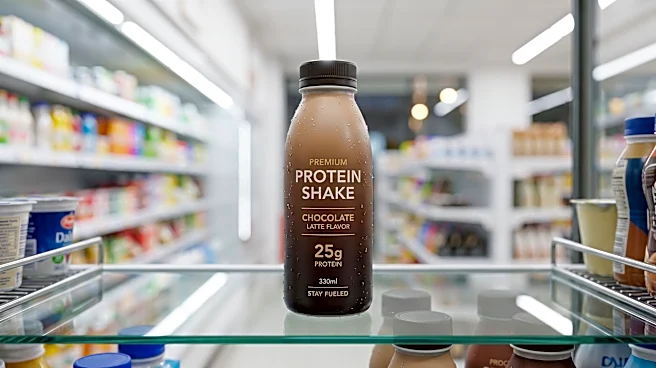
42g shakes will be sold in participating 7-Eleven, Speedway, and Stripes stores. The initial offering will include 14oz Chocolate and Café Latte flavors, which will be available in refrigerated drink sections. This move aims to make high-quality protein options more accessible to consumers beyond traditional club, mass, and food retail channels. According to Derek Walters, Premium Nutrition Corporation broker operations director, this expansion creates new opportunities to meet consumers where they are. BellRing Brands noted that Premier Protein RTD consumption grew 6% year-on-year in the third quarter of fiscal 2026, supported by increased distribution points. This strategic expansion into the convenience sector aligns with BellRing executives' earlier statements in August, identifying convenience as an untapped market segment for the brand.
Why It's Important?
This expansion is significant for BellRing Brands as it taps into a substantial market segment where it previously had minimal presence. Convenience stores account for approximately 10% of the wider ready-to-drink (RTD) category, representing a considerable growth opportunity for Premier Protein. By making its products available in 7-Eleven, Speedway, and Stripes, BellRing Brands can reach a broader consumer base seeking convenient, on-the-go protein options. This move could lead to increased sales volume and market share for Premier Protein, strengthening its position in the competitive health and wellness beverage market. Furthermore, the timing of this expansion is crucial as BellRing Brands prepares to implement double-digit price increases across its shake portfolio in the first quarter of fiscal 2027 to offset rising milk protein costs. Increased distribution and potential sales growth in the convenience channel could help mitigate any potential negative impact from these price adjustments, contributing to healthier margins and allowing for continued investment in the business.
What's Next?
Beginning November 23, consumers will find Premier Protein Ultimate 42g shakes in Chocolate and Café Latte flavors in the refrigerated sections of participating 7-Eleven, Speedway, and Stripes stores across the U.S. BellRing Brands will likely monitor the performance of these products in the convenience channel to assess the effectiveness of this distribution strategy. The company's financial performance in fiscal 2027 will be closely watched, especially as it implements price increases to counter cost inflation. Success in the convenience sector could encourage further expansion of product lines or additional partnerships within this channel. Competitors in the protein drink market may also observe BellRing's strategy and potentially adjust their own distribution and marketing efforts to compete for market share in the convenience store segment.
Beyond the Headlines
The push into convenience stores by BellRing Brands reflects a broader trend in the food and beverage industry towards meeting consumer demand for immediate and accessible healthy options. As lifestyles become more fast-paced, consumers increasingly rely on convenience stores for quick meals and snacks, including functional beverages like protein shakes. This strategic shift highlights the evolving retail landscape where traditional grocery channels are no longer the sole focus for growth. For consumers, this means greater ease in accessing nutritional products, potentially influencing daily dietary habits. For the industry, it underscores the importance of diversified distribution channels and understanding consumer purchasing behaviors in various retail environments. The success of this venture could set a precedent for other health-focused brands looking to expand their reach beyond conventional retail spaces, further blurring the lines between traditional grocery, mass market, and convenience retail.