


What's Happening?
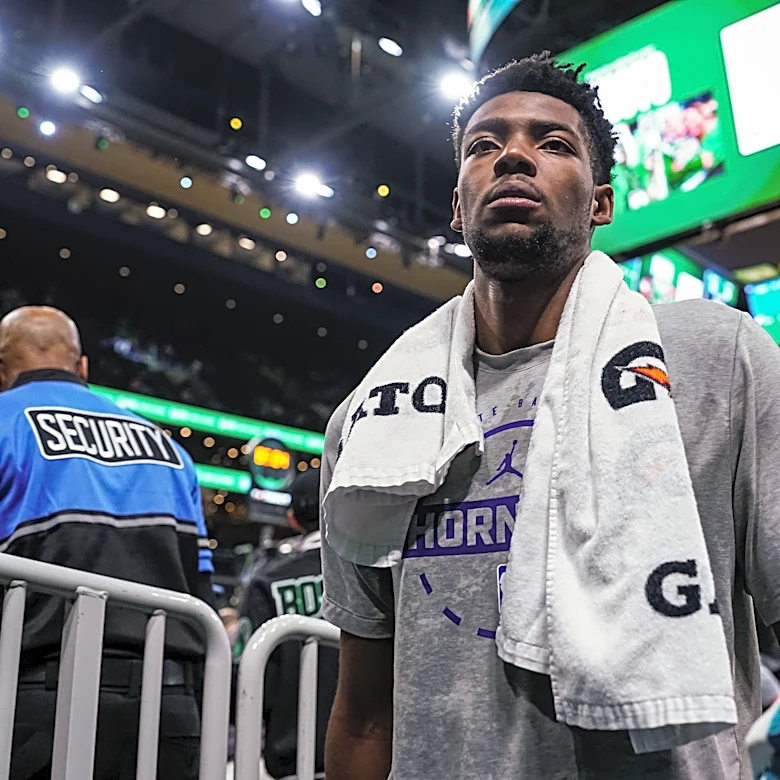
The New York Knicks have signed Bruce Brown, Ochai Agbaji, and James Wiseman to non-guaranteed Exhibit 9 deals, effectively setting up a training camp tryout for the final roster spot. These signings follow the earlier additions of John Konchar and Drew
Eubanks, bringing the total number of players vying for a spot to five. Currently, the Knicks have 13 standard NBA contracts, one short of the required 14, and can accommodate up to 15 players on their roster. However, to sign a 15th player without exceeding the second apron, the team would need to execute a cap-shedding move. The competition is primarily for the 14th roster spot, with the winner expected to convert to a standard contract before the season begins. This strategy allows the Knicks to evaluate multiple veteran players during training camp without committing to guaranteed salaries, providing flexibility in their roster construction.
Why It's Important?
This intense competition for the final roster spot is crucial for the Knicks as it directly impacts their depth, strategic flexibility, and financial positioning for the upcoming season. With only one guaranteed spot remaining under the second apron, the team must make a highly calculated decision. The addition of experienced players like Bruce Brown, Ochai Agbaji, and James Wiseman, even on non-guaranteed deals, suggests the Knicks are looking to bolster specific areas or add versatile talent. The outcome of this battle could determine the team's ability to withstand injuries, provide situational advantages, or even serve as trade assets later in the season. For the players involved, securing this spot represents a significant opportunity to remain in the NBA, making the training camp a high-stakes proving ground. The decision will also reflect the team's overall philosophy regarding roster construction and salary cap management.
What's Next?
The newly signed players, including Bruce Brown, Ochai Agbaji, and James Wiseman, along with John Konchar and Drew Eubanks, will participate in the Knicks' training camp. Their performance during this period will be critical in determining who earns the final roster spot. The team will evaluate their skills, fit within the system, and overall contribution to decide which player will convert to a standard contract before the season commences. If the Knicks decide to fill the 15th roster spot, they will need to make a cap-shedding move to avoid exceeding the second apron, which could involve trading an existing player or making other financial adjustments. The outcome of this roster battle will finalize the team's composition for the start of the season, influencing their initial performance and strategic options.
Beyond the Headlines
The Knicks' approach to filling their final roster spots through non-guaranteed Exhibit 9 deals highlights a common strategy in the NBA for managing salary cap constraints and maximizing roster flexibility. This method allows teams to bring in multiple players for evaluation during training camp, essentially holding open auditions without long-term financial commitments. It also reflects the competitive nature of professional basketball, where even established veterans must prove their worth to secure a place on a team. The 'second apron' rule, a key component of the NBA's collective bargaining agreement, significantly influences these decisions, pushing teams to be more strategic about their spending and roster size. This situation also underscores the precariousness of careers for many professional athletes, as non-guaranteed contracts mean constant pressure to perform and adapt. The ultimate choice will not only impact the team's on-court performance but also its financial health and future trade possibilities.