









What's Happening?
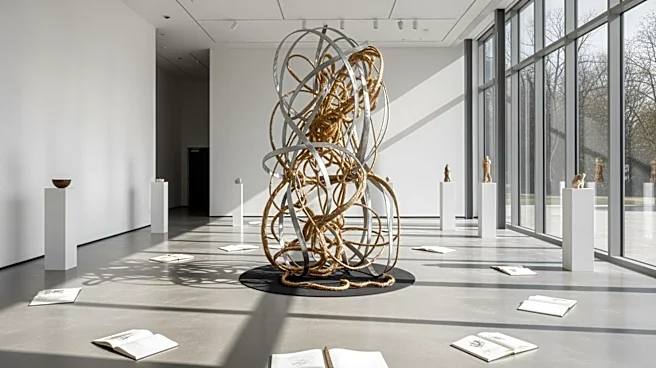
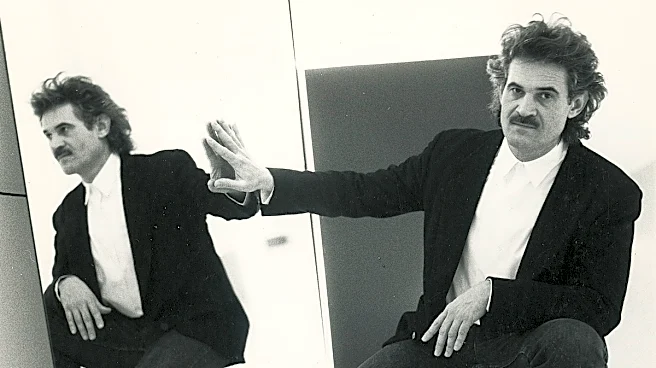
The Berkeley Art Museum is currently showcasing a retrospective of Maren Hassinger's work, titled 'Living Moving Growing.' This exhibition highlights Hassinger's unique approach to sculpture, which often involves simple, repetitive actions like tying
knots or twisting materials. The retrospective includes some of her most celebrated works and performances, and it actively involves the community through workshops. These workshops allow participants to contribute to the creation of a large-scale sculpture, 'Sign of the Times,' made from knotted strips of newspaper. The exhibition aims to transform everyday materials into art, encouraging viewers to see the world in new ways.
Why It's Important?
Maren Hassinger's retrospective at the Berkeley Art Museum is significant as it not only celebrates her contributions to the art world but also engages the community in the artistic process. By involving the public in the creation of her work, Hassinger breaks down traditional hierarchies within art institutions, fostering a sense of togetherness and shared experience. This approach aligns with broader movements in contemporary art that emphasize participation and community engagement. Additionally, Hassinger's work addresses themes of race and identity, offering a platform for dialogue and reflection on these critical issues.
What's Next?
As the exhibition continues, the Berkeley Art Museum will host monthly workshops led by Hassinger, allowing the 'Sign of the Times' sculpture to grow and evolve. This ongoing process will provide continuous opportunities for community involvement and interaction with the art. The museum's approach to this exhibition may inspire other institutions to adopt similar participatory models, potentially influencing how art is presented and experienced in the future.
Beyond the Headlines
Hassinger's work, while visually engaging, also carries deeper implications regarding the role of art in society. By transforming mundane materials into art, she challenges viewers to reconsider the value and potential of everyday objects. Her focus on simple, repetitive actions as a means of creation highlights the beauty and significance of the ordinary, encouraging a more mindful and appreciative approach to daily life. This perspective can foster a greater sense of connection and empathy among individuals, promoting a more inclusive and caring community.