







What's Happening?
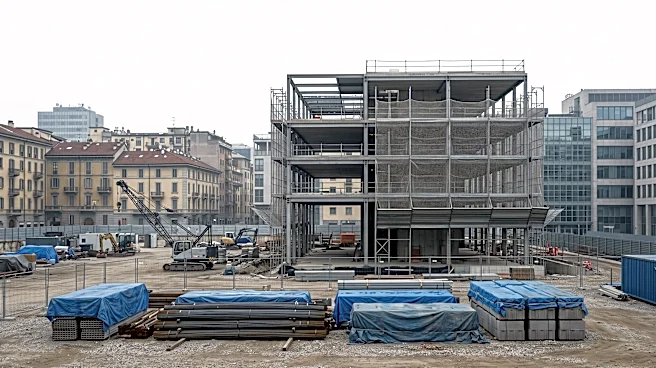
Caddell Construction, a U.S. company, has agreed to a nearly $35 million settlement for underpaying foreign workers involved in building the new American consulate in Milan, Italy. Milan prosecutors alleged that workers were paid less than $2 an hour,
significantly below the minimum wage for construction workers in Milan, which starts at over $15 an hour. The settlement includes back pay and damages for emotional distress for nearly 300 identified workers, with some receiving up to $102,000. The construction site was placed under judicial administration following an investigation into exploitative labor practices. Most of the affected workers were recruited from India, with others from a Caddell embassy project in Africa. The criminal investigation against Caddell and two of its managers in Italy is ongoing, and the company remains under administration. Italian Labor Minister Marina Calderone lauded the probe as a significant operation against illegal labor contracting and worker exploitation.
Why It's Important?
This settlement highlights the critical issue of labor exploitation within international construction projects involving U.S. firms, even when those projects are for U.S. government facilities. It underscores the potential for U.S. companies operating abroad to face legal and financial repercussions for failing to adhere to local labor laws and ethical standards. The case also brings attention to the vulnerability of foreign migrant workers, who are often recruited with promises of fair wages but then subjected to exploitative conditions, including illegal deductions for food and housing. For the U.S., this incident could prompt a review of oversight mechanisms for contractors working on diplomatic facilities overseas to ensure compliance with labor laws and human rights, potentially impacting future contracting policies and due diligence requirements for companies seeking government contracts.
What's Next?
The criminal investigation against Caddell Construction and its two managers in Italy is continuing, which could lead to further legal actions and penalties. The company remains under judicial administration, indicating ongoing scrutiny of its operations. The settlement funds, totaling nearly $35 million, will be distributed to the affected workers, with approximately 19.7 million euros allocated for direct payments and the remainder covering obligations to Italian social security authorities and the labor inspectorate. Additionally, dozens of workers have been granted unemployment benefits, and 265 have received special residence permits, with applications for others still being processed. This case may also encourage greater vigilance from labor unions and international organizations in monitoring labor practices on large-scale construction projects, particularly those involving foreign workers.
Beyond the Headlines
The Milan consulate case exposes a deeper, systemic issue of labor exploitation that often goes unnoticed in global supply chains and international projects. It raises ethical questions about the responsibility of multinational corporations to ensure fair labor practices, even when subcontracting or operating in jurisdictions with varying labor protections. The incident could serve as a precedent for similar cases, empowering migrant workers and labor advocates to challenge exploitative conditions more effectively. Furthermore, it highlights the complex interplay between national sovereignty, international labor laws, and corporate accountability, suggesting a need for more robust international frameworks to protect vulnerable workers. The involvement of a U.S. firm in such a scandal also has implications for the U.S.'s image abroad, potentially influencing diplomatic relations and perceptions of American corporate ethics.