

What's Happening?
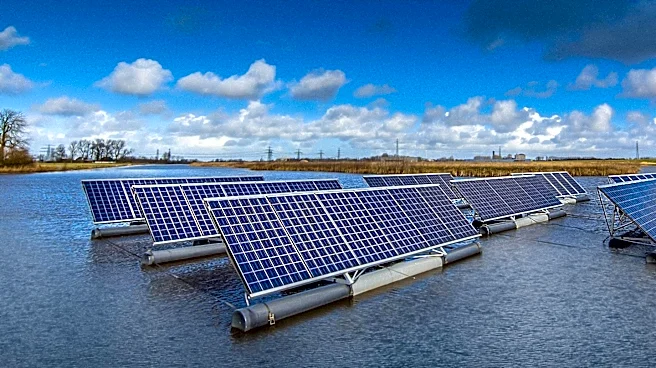
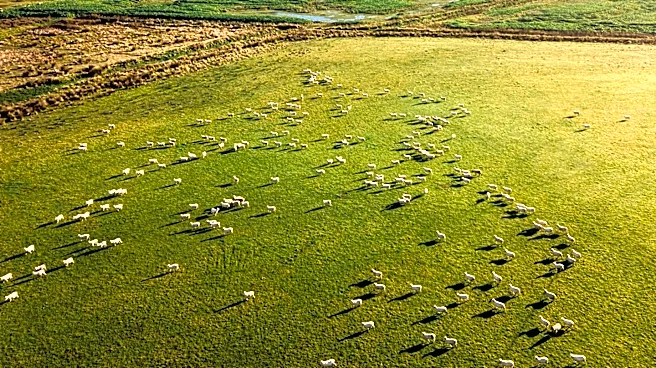
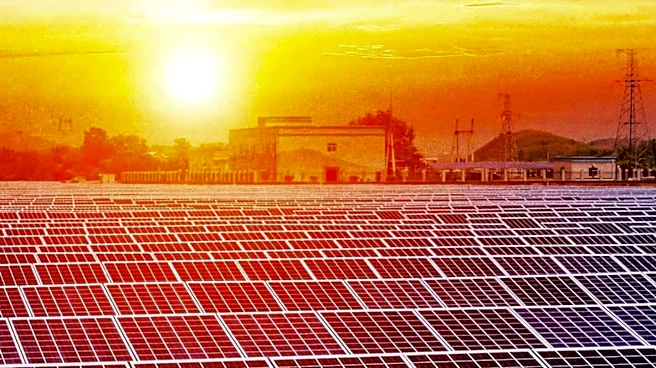
A solar farm in Minnesota has turned to an unconventional solution to manage overgrown vegetation: 2,000 sheep and a guard donkey. The Sherco Solar facility faced issues with vegetation growing tall enough to interfere with solar panels, reducing electricity
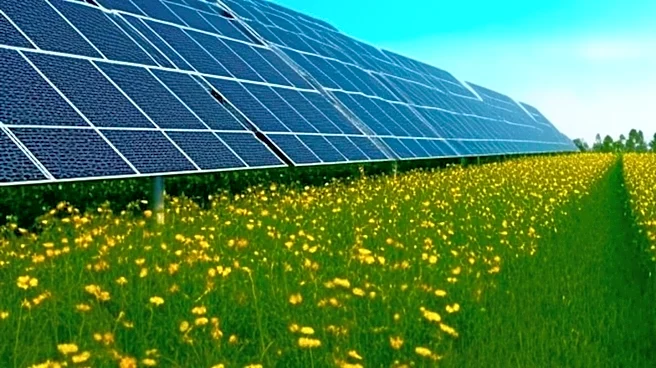
production. Instead of using traditional mowing equipment, which can be costly and environmentally unfriendly, the facility introduced sheep to graze on the vegetation. The sheep effectively manage the growth of invasive weeds, while the donkey serves as a guard against predators. This approach not only addresses the maintenance issue but also supports environmental sustainability by promoting native plant growth and reducing the need for machinery.
Why It's Important?
The use of sheep for vegetation management at the solar farm highlights an innovative approach to maintaining renewable energy infrastructure. By integrating livestock into the management plan, the facility reduces its reliance on mechanical equipment, lowering operational costs and minimizing environmental impact. This method also supports biodiversity by allowing native plants to thrive and provides a model for other solar farms facing similar challenges. The initiative demonstrates the potential for agricultural practices to complement renewable energy projects, promoting sustainability and efficiency in energy production.
What's Next?
As solar projects continue to expand, the success of the Sherco Solar facility's approach may encourage other operators to adopt similar strategies for vegetation management. The integration of livestock into solar farm operations could become a best practice, enhancing the sustainability and efficiency of renewable energy projects. Stakeholders will be monitoring the long-term impact of this approach on energy production and environmental health, potentially influencing future policies and practices in the renewable energy sector.