








What's Happening?
The International Finance Corporation (IFC), a member of the World Bank Group, has committed $301 million in two investments with the energy company EDP. These investments aim to enhance business activity and household electricity services in Mexico and Brazil.
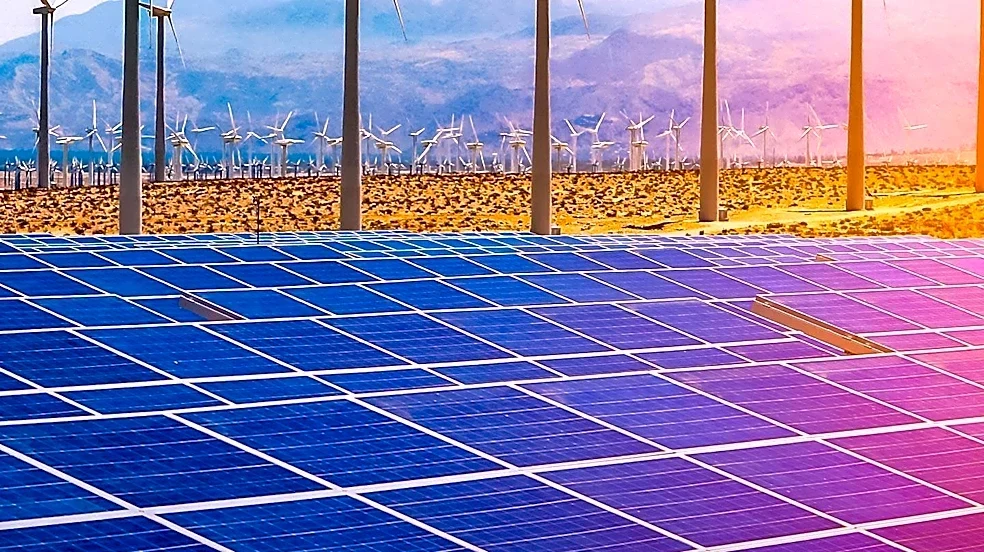
The financing, announced on October 19, supports the development of a 200-megawatt solar plant in Mexico and upgrades to electricity distribution infrastructure in Brazil's Espirito Santo state. The Mexican solar project receives a $222 million loan as part of a larger $444 million package for EDP's global renewable energy operations, with Spain's Instituto de Crédito Oficial providing the other half. In Brazil, approximately $79 million is allocated to improve distribution infrastructure for EDP Espirito Santo, which serves over 1.8 million customers. The Brazilian investment focuses on reducing losses, replacing and refurbishing assets, and enhancing automation and telecommunications within the grid.
Why It's Important?
These investments are significant for several reasons. In Mexico, the additional solar generation capacity will contribute to a more diversified electricity supply, potentially offering commercial opportunities for manufacturers and exporters seeking to reduce their carbon footprint. For equipment traders, contractors, and service providers, the construction phase could generate demand for electrical components, transport, installation, and maintenance. In Brazil, the grid upgrades are expected to improve electricity reliability, which can reduce disruptions for businesses such as restaurants, pharmacies, and small workshops, thereby preventing losses of refrigerated stock, electronic payments, and trading hours. Consumers in Espirito Santo could benefit from more reliable refrigeration, communications, and access to electricity-dependent services, with the investment also aiming to strengthen resilience against extreme weather. The IFC projects that these two investments will collectively improve access and supply for approximately 200,000 people, support over 4,400 jobs, and avoid around 297,000 tonnes of carbon dioxide equivalent annually.
What's Next?
The success of these projects will depend on effective project delivery, electricity pricing, and robust regulatory oversight. In Mexico, policymakers will need to coordinate generation approvals with network readiness to ensure that the new solar capacity can reliably reach users. The impact on consumer bills will be influenced by the broader electricity system and supply arrangements. In Brazil, regulators will need to examine how investment costs and operational gains are reflected in charges to ensure that efficiency improvements translate into benefits for consumers. Authorities in both countries are encouraged to track delivery schedules, service quality, procurement opportunities, and affordability, and to publish results to aid planning for businesses, assess improvements for consumers, and identify shortcomings for regulators. The ultimate goal is to ensure that the financing leads to dependable electricity, competitive businesses, and benefits that extend to underserved communities.
Beyond the Headlines
These investments highlight the growing trend of international financial institutions supporting renewable energy and infrastructure development in emerging markets. Beyond the immediate economic and environmental benefits, such projects contribute to energy security and climate change mitigation efforts. The emphasis on grid upgrades in Brazil also underscores the critical importance of resilient infrastructure in the face of increasing climate variability. The financing structure, involving long-term infrastructure debentures and capital mobilized domestically, demonstrates innovative approaches to funding large-scale projects. However, the long-term impact on affordability for consumers remains a key consideration, as the announcements do not guarantee lower household tariffs. This raises broader questions about equitable access to clean energy and the role of regulatory frameworks in ensuring that the benefits of infrastructure improvements are widely distributed.