




What's Happening?
An evaluation of HM Revenue & Customs data by the sustainability organization WRAP indicates that businesses participating in the UK Plastics Pact have reported higher levels of recycled content in their packaging compared to non-members. In the 2025/26
fiscal year, 62.9% of packaging reported by Pact members and associates met the 30% recycled content threshold for the UK Plastic Packaging Tax, a figure significantly higher than the 56% reported by non-members. This 6.9 percentage-point difference was found to be statistically significant. The UK Plastics Pact is a voluntary initiative that brings together businesses and organizations across the plastics packaging value chain to enhance the sustainability of plastics packaging. The Plastic Packaging Tax, introduced in April 2022, applies to finished plastics packaging containing less than 30% recycled content.
Why It's Important?
This development highlights the potential effectiveness of voluntary agreements in driving environmental sustainability within the business sector. The higher recycled content among UK Plastics Pact members suggests that collaborative industry initiatives can complement government policies, such as the Plastic Packaging Tax, in achieving environmental goals. For U.S. industries, this could serve as a case study for implementing similar voluntary pacts to boost recycled content and reduce plastic waste, potentially influencing future policy discussions on packaging sustainability. Businesses that proactively engage in such initiatives may gain a competitive advantage by aligning with consumer preferences for sustainable products and potentially avoiding future regulatory penalties. Conversely, companies that do not participate might face increased costs due to taxes or a negative public perception.
What's Next?
WRAP anticipates that figures for the final year of reporting will be released shortly, which will provide a more complete picture of the long-term impact of the UK Plastics Pact. The organization plans to continue its work through the UK Packaging Pact, suggesting an ongoing commitment to voluntary agreements as a tool for sustainability. For businesses, the trend towards higher recycled content indicates a need to invest in recycling infrastructure and sustainable packaging solutions. Policymakers in other regions, including the U.S., may observe the outcomes of such initiatives to inform their own strategies for addressing plastic pollution and promoting a circular economy. The findings also underscore the importance of continued research into the actual collection and recycling rates of packaging waste, as higher recycled content in products does not automatically translate to improved overall recycling systems.
Beyond the Headlines
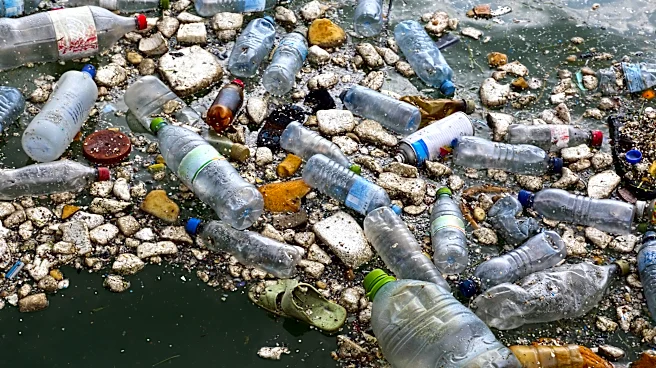
While the increase in recycled content among Pact members is a positive step, the broader implications extend to the challenges of plastic waste management globally. Research by Systemiq and Earth Action indicates that only about 18% of plastics packaging is recycled in practice across 50 countries, suggesting that increasing recycled content in products is only one part of a much larger problem. The ethical dimension involves shifting the burden of waste management from individual consumers to multinational manufacturers, as highlighted by civil society organizations in other contexts. This raises questions about corporate responsibility and the need for comprehensive solutions that address the entire lifecycle of plastic, from production to disposal. The long-term shift could involve a greater emphasis on extended producer responsibility schemes and innovations in material science to develop more easily recyclable or biodegradable alternatives.