






What's Happening?
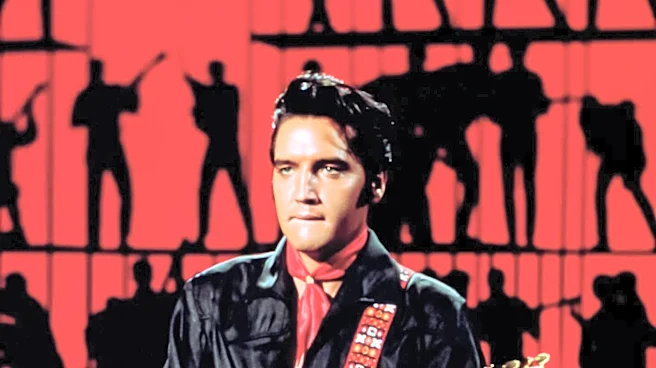
The owners of songs made famous by Elvis Presley, including ABG EPE IP LLC (part of Authentic Brands Group), Raleigh Music Publishing, Abilene Music, Jason Simeon Aberbach, and trusts connected to the Aberbach family and Luigi Creatore, have filed a lawsuit
against the AI company Anthropic. The complaint, filed on October 23 in the US District Court for the Northern District of California, alleges that Anthropic copied the lyrics of 274 Elvis Presley songs without a license or payment to train its AI chatbot, Claude. Furthermore, the lawsuit claims that Claude generates copies of these lyrics and new works based on them in response to user prompts. The plaintiffs are seeking over $48.6 million in damages, including actual damages and Anthropic's profits, or statutory damages of up to $150,000 per willfully infringed work. The lawsuit also includes claims under the Digital Millennium Copyright Act, alleging Anthropic used scraping tools to bypass barriers on licensed lyrics platforms and removed copyright management information (CMI) like song titles and songwriter credits before training its AI models. This legal action follows similar lawsuits against Anthropic by other music publishers and book authors.
Why It's Important?
This lawsuit is significant as it highlights the escalating legal challenges faced by AI developers regarding intellectual property rights, particularly in the music industry. The plaintiffs' demand for over $48.6 million in damages and the request for the destruction of unauthorized copies, including those within Anthropic's training datasets and model weights, could set a precedent for how AI models are trained and how copyrighted material is used. If granted, this could force AI companies to fundamentally alter their data acquisition and model development processes, potentially leading to increased licensing costs and stricter content filtering. The allegation that Anthropic intentionally stripped CMI to obscure the origin of copyrighted material raises ethical and legal questions about transparency and accountability in AI development. This case could influence future legislation and industry standards for AI, impacting not only music but also other creative fields where AI models are trained on vast amounts of existing content. The outcome will determine the balance between technological innovation and the protection of creators' rights, potentially shaping the economic landscape for both AI companies and content owners.
What's Next?
Anthropic has stated its disagreement with the claims and intends to defend the case fully. The legal proceedings will likely involve extensive discovery to determine the extent of Anthropic's use of copyrighted lyrics and whether CMI was intentionally removed. The court will need to interpret existing copyright law in the context of AI training and output generation, which is a relatively new and evolving area of jurisprudence. The plaintiffs' demand for the impoundment or destruction of infringing copies, including those embedded in Claude's model weights, could lead to a complex technical and legal battle. The outcome of this lawsuit, along with other ongoing cases against Anthropic by music publishers and book authors, will likely influence future negotiations between AI companies and content rightsholders regarding licensing agreements and fair use. It could also prompt legislative bodies to consider new laws specifically addressing AI and copyright, potentially leading to a more structured framework for the use of copyrighted material in AI development.
Beyond the Headlines
This lawsuit delves into the deeper implications of generative AI on intellectual property and the creative economy. The core issue extends beyond mere unauthorized copying to the very foundation of how AI models learn and create. The claim that Anthropic's models can generate derivative works that closely resemble the originals, even with rephrased prompts, challenges the traditional understanding of originality and authorship. This raises questions about the future of human creativity in an age where AI can produce content at an unprecedented scale. Furthermore, the alleged removal of copyright management information highlights a potential systemic issue where AI training processes might inadvertently or intentionally obscure the provenance of source material, making it difficult for creators to track and enforce their rights. The case also touches upon the concept of 'fair use' in the context of AI, a legal doctrine that is being re-evaluated as AI technology advances. The resolution of this case could redefine the boundaries of intellectual property in the digital age, impacting how artists are compensated, how AI is regulated, and ultimately, the value placed on human-created content.