


What's Happening?
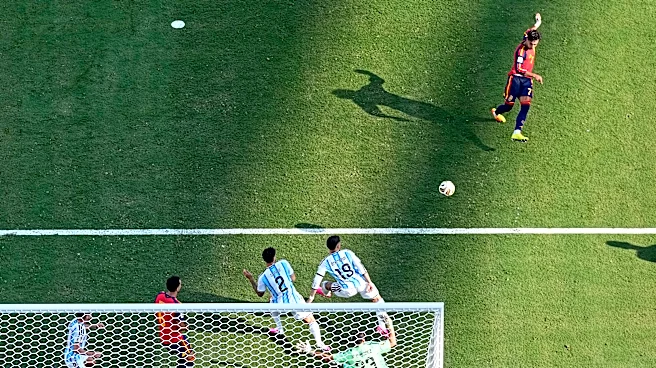
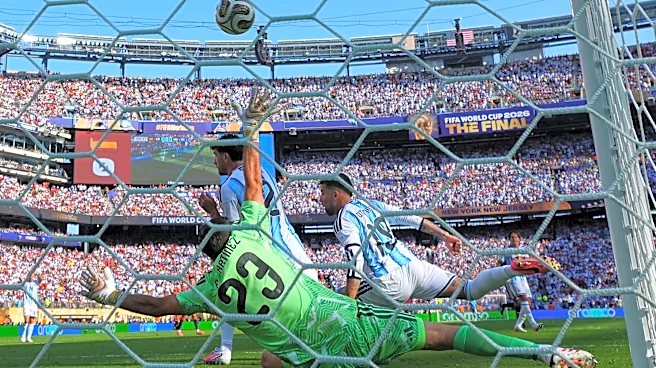
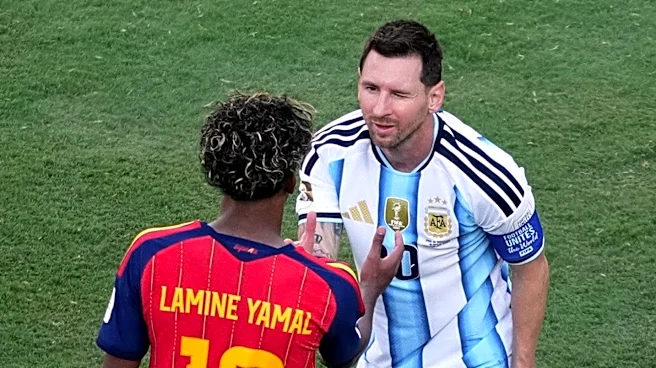
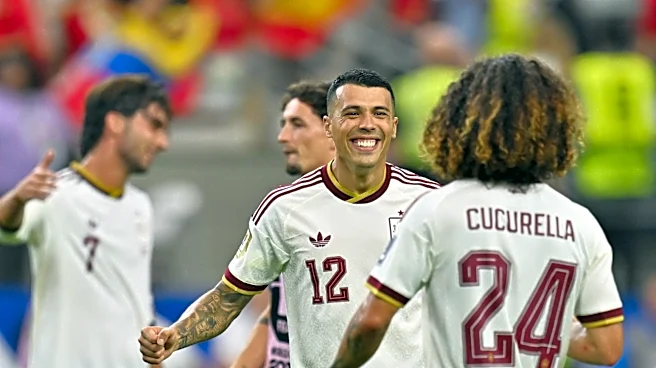
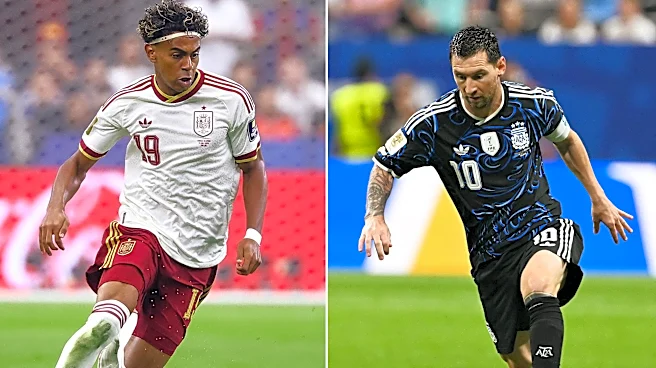
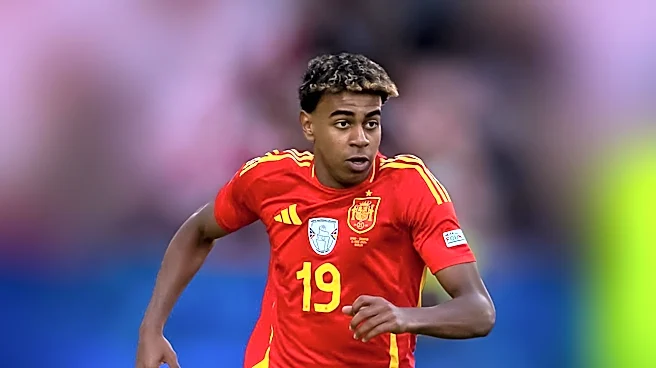
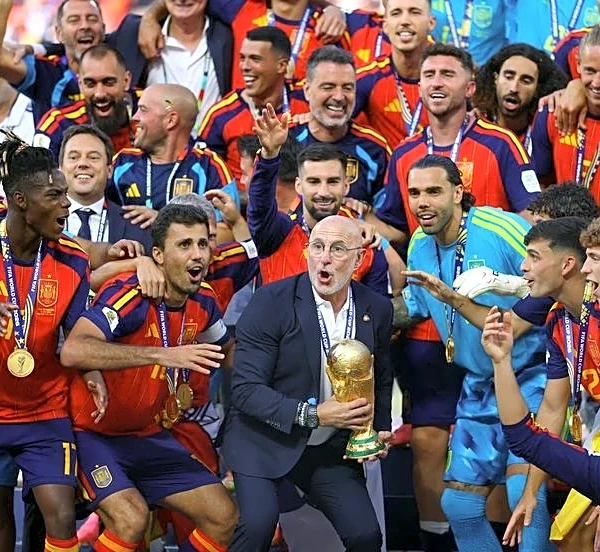
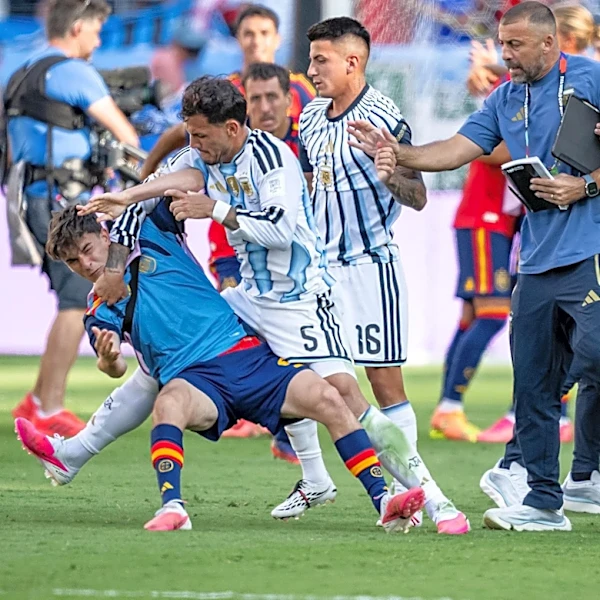
During Spain's open-top bus parade celebrating their World Cup victory, Lamine Yamal prominently displayed a sign referencing the altercation between midfielders Paredes and Gavi. The incident occurred after the final whistle of the match, drawing significant
attention from fans and media alike. The parade was a jubilant event, marking Spain's triumph on the global stage, but the scuffle between the players added a layer of drama to the celebrations. Yamal's sign, which labeled the confrontation as the 'Fight of the year,' became a talking point among spectators and commentators, highlighting the competitive tensions that can arise even in moments of national pride.
Why It's Important?
The incident underscores the intense rivalries and emotional stakes involved in international football competitions like the World Cup. Such altercations can impact team dynamics and public perceptions of players, influencing their reputations and future interactions on the field. For Spain, the World Cup victory is a significant achievement, but the scuffle serves as a reminder of the challenges in maintaining team cohesion amidst competitive pressures. The public display of the sign by Yamal may also reflect broader cultural attitudes towards sportsmanship and rivalry, potentially affecting how fans engage with the sport and its players.
What's Next?
As the dust settles from the World Cup celebrations, both Paredes and Gavi may face scrutiny from their respective teams and the media regarding their conduct. The incident could lead to discussions within the football community about sportsmanship and the management of player tensions during high-stakes matches. Teams might implement strategies to address such conflicts proactively, ensuring that competitive spirit does not overshadow the collaborative efforts required for success. Additionally, the event may prompt fans and analysts to reflect on the balance between rivalry and respect in sports.
Beyond the Headlines
The scuffle between Paredes and Gavi, while seemingly minor, highlights the broader cultural and ethical dimensions of sportsmanship in international competitions. It raises questions about how athletes are expected to conduct themselves under pressure and the role of media in amplifying such incidents. The public's fascination with the 'Fight of the year' sign suggests a cultural appetite for drama and conflict, which can influence how sports narratives are constructed and consumed. This event may also contribute to ongoing debates about the responsibilities of athletes as role models and the impact of their behavior on young fans.