






What's Happening?
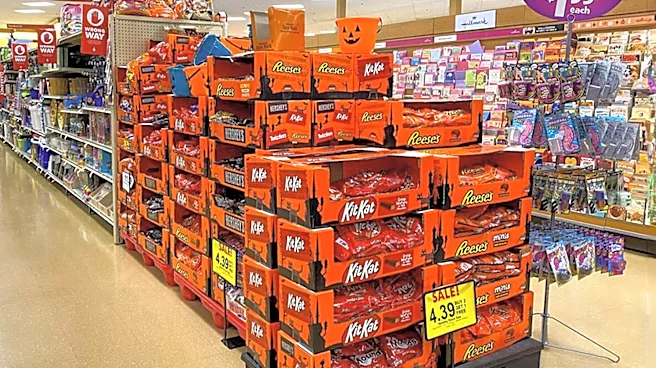
For Halloween 2026, retailers are implementing a more disciplined approach to pricing and promotions, characterized by stable prices, fewer discounts, and elevated sold-out rates. According to Centric Market Intelligence, discount penetration for Halloween costumes
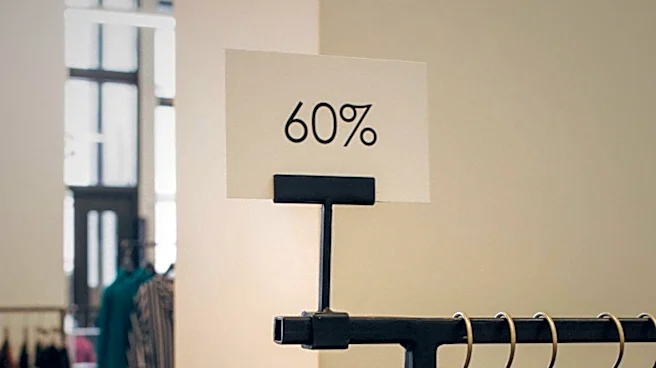
and accessories significantly decreased to 56% from 83% in 2025, with the average discount falling to 15%, its lowest since 2022. Despite these reduced promotional activities, Halloween costume sell-out rates have reached their highest level since 2019, indicating resilient consumer demand. Costume prices saw a modest increase of 1.3% year-over-year, with licensed character apparel increasing by only 0.6%. In contrast, home décor prices slightly decreased by 0.8%, and while promotional activity moderated, sold-out rates remained elevated compared to recent years, though below 2019 levels. Big-ticket decorations, however, showed lower sold-out rates despite broader discounting, suggesting consumers are more selective with larger discretionary purchases.
Why It's Important?
This shift in retail strategy for Halloween 2026 highlights a broader trend of retailers prioritizing margin protection and inventory discipline in the face of persistent inflationary pressures and cautious consumer spending. The reduced reliance on aggressive markdowns suggests increased confidence in consumer demand for certain categories, particularly costumes, even without deep discounts. This approach could lead to healthier profit margins for retailers, but it also places a greater burden on consumers who may be seeking deals. The divergence in performance between costumes and big-ticket home décor indicates that while consumers are still willing to participate in festivities, they are becoming more selective about their discretionary spending. This trend could influence future holiday retail strategies, pushing retailers to carefully balance competitive pricing with profitability, potentially leading to more targeted promotions rather than widespread discounts.
What's Next?
Retailers are likely to continue monitoring consumer spending patterns closely, especially as other major holiday seasons approach. The success of this disciplined pricing strategy during Halloween 2026 could inform promotional decisions for events like Black Friday and the Christmas shopping season. Companies will need to assess whether the higher sell-out rates and improved margins outweigh any potential loss in sales volume from reduced discounting. Furthermore, the focus on inventory management and profitability is expected to persist, potentially leading to more strategic product assortments and less overstocking. Consumers, in turn, may need to adjust their shopping habits, potentially purchasing popular items earlier to avoid sold-out situations or paying higher prices due to fewer discounts.
Beyond the Headlines
The retail trends observed during Halloween 2026 reflect a significant evolution in consumer behavior and retail strategy, moving away from a discount-driven market towards one that emphasizes value and availability. This shift could have long-term implications for brand loyalty and consumer expectations. As retailers become more adept at managing inventory and pricing, the perceived 'deal' might become less about a steep discount and more about securing a desired product. This could also lead to a re-evaluation of the role of promotions in driving sales versus maintaining brand perception and profitability. The increasing selectivity of consumers, particularly for larger discretionary purchases, suggests a more discerning market, where quality and perceived necessity might outweigh price reductions, potentially reshaping the competitive landscape for various retail sectors.