






What's Happening?
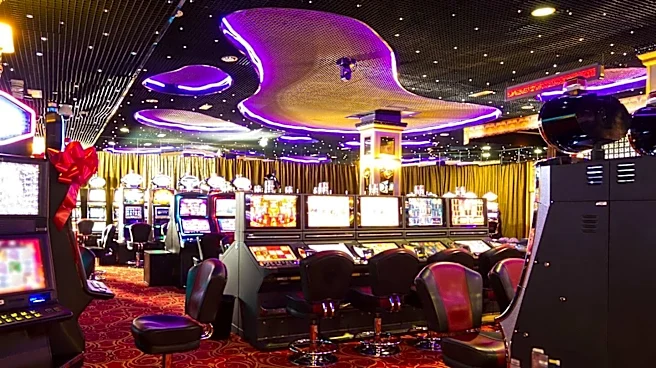
U.S. casinos are undergoing a significant transformation, moving away from traditional gaming-centric models to embrace experiential amenities in an effort to attract Generation Z. This shift involves reducing gaming floor space in favor of offerings
such as sports facilities, wellness centers, spas, diverse dining options including street food, and entertainment venues. Properties are being redesigned with features like floor-to-ceiling windows, outdoor areas, and smoke-free zones, aiming to create a social, community-oriented atmosphere. This strategic pivot is a direct response to Gen Z's preference for holistic experiences and their lower engagement with in-person gambling compared to older generations, as highlighted by a TransUnion survey. For instance, the $360 million overhaul of Hollywood Casino and Hotel Aurora now includes food halls and a sportsbook designed as a community bar, while Hard Rock's upcoming Metropolitan Park complex will dedicate only 10% of its space to gaming, prioritizing public parks and event spaces.
Why It's Important?
This evolution is critical for the over $60 billion U.S. gaming industry, representing an existential pivot rather than just a design refresh. Non-gaming amenities are increasingly contributing to casino revenue, as evidenced by Penn Entertainment's regulatory filings. The rise of digital sports betting platforms like DraftKings and FanDuel further necessitates this change, as merely offering tables and slots is no longer a sustainable strategy. Casino executives, such as Jennifer Weissman of Penn, emphasize that young adults seek a comprehensive experience worth leaving home for. This adaptation allows properties to broaden their appeal and revenue potential, especially since Gen Z shows less interest in prolonged gambling sessions. The focus on authentic local flavor, wellness, and entertainment is seen as the next growth wave for the casino industry, ensuring its relevance and profitability in a changing market.
What's Next?
Expect a continued trend of casino operators investing heavily in mixed-use programming, wellness offerings, and outdoor integration to secure Gen Z loyalty. Penn Entertainment is already committing $195 million to relocate and reinvent its New Orleans riverboat casino, with a strong emphasis on hotel, dining, and sportsbook facilities. U.S. regulatory filings indicate an ongoing diversification of revenue streams, with new casino developments allocating even less floor area to gaming. As the digital sports betting market expands, commercial real estate investors will be closely monitoring entitlement, design, and tenant breakdowns in pipeline developments to understand the future landscape of experiential casino real estate. This suggests a future where casinos function more as integrated entertainment resorts than solely gambling establishments.
Beyond the Headlines
The shift in the casino industry reflects broader societal changes in how younger generations perceive leisure and entertainment. Gen Z's emphasis on holistic well-being, authentic experiences, and community engagement is reshaping various sectors beyond gaming. This trend highlights a move away from isolated, single-purpose venues towards integrated spaces that cater to diverse interests and foster social interaction. The industry's response also underscores the increasing importance of mental and physical wellness in consumer choices, pushing businesses to incorporate elements like spas and health-conscious dining. This adaptation could set a precedent for other industries struggling to attract younger demographics, demonstrating the necessity of understanding and responding to evolving generational values and preferences.