


What's Happening?
Daniel Humm, the acclaimed chef and owner of the Michelin-starred restaurant Eleven Madison Park, has ventured into the consumer packaged goods (CPG) market with a new line of boxed pasta and noodle kits called 'Riff'. This move marks a significant departure
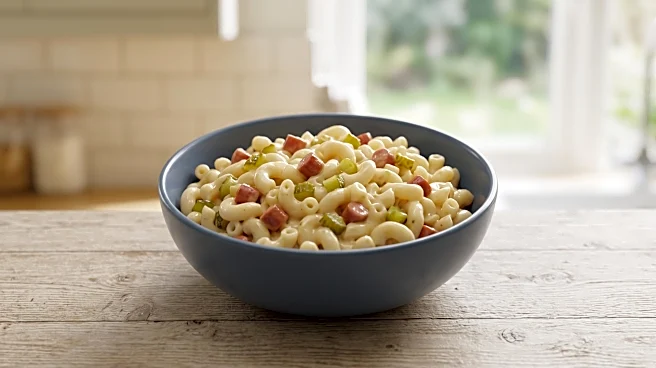
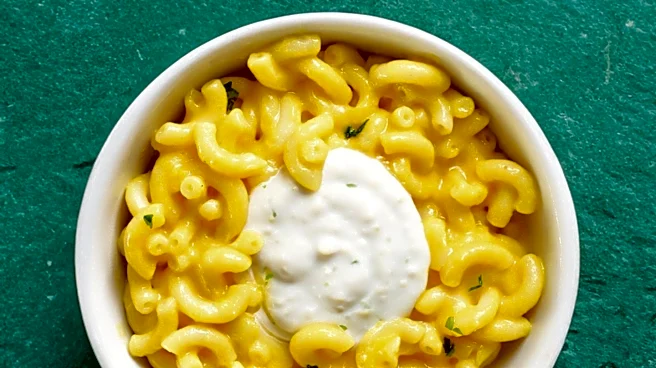
from Humm's traditional fine-dining focus, aligning him with a growing trend of high-end chefs developing grocery store products. The Riff brand aims to simplify cooking with 'thoughtfully designed' kits, reminiscent of classic boxed macaroni and cheese but with a premium twist. The product is currently available at Target, positioned separately from other mac and cheese offerings. The launch has generated discussion regarding the motivations behind a chef of Humm's caliber entering the mass-market food sector, especially given his previous engagements in luxury home furnishings and high-end kitchen appliances.
Why It's Important?
Humm's entry into the CPG market with Riff highlights a broader shift in the food industry, where renowned chefs are increasingly leveraging their brand recognition to create accessible, mass-market products. This trend, exemplified by the success of brands like Carbone sauce and Momofuku ramen, indicates a lucrative opportunity for chefs to diversify their revenue streams beyond traditional restaurant models. For consumers, it means access to chef-endorsed products that promise an elevated home-cooking experience, albeit at a potentially higher price point. This development could further blur the lines between fine dining and everyday consumption, influencing consumer expectations for convenience and quality in packaged foods. It also signals a potential for increased competition in the CPG sector, as more celebrity chefs might follow suit, leading to a more premium and diverse range of options on grocery store shelves.
What's Next?
The success of Riff at Target will likely be a key indicator for future expansions and product development within the brand. If Riff performs well, it could encourage other high-profile chefs to explore similar ventures, further saturating the market with chef-branded CPG products. The brand may also introduce new flavors or product lines, expanding beyond pasta and noodles. Retailers will be closely watching Riff's performance to assess the viability of premium boxed meal kits in a competitive market. Additionally, the ongoing debate among food critics and consumers about the authenticity and value of such chef-led CPG initiatives will continue, shaping public perception and potentially influencing future marketing strategies for Riff and similar brands.
Beyond the Headlines
Humm's pivot to boxed pasta raises questions about the evolving definition of culinary artistry and accessibility. While some view it as a democratization of gourmet food, others might see it as a commercialization that dilutes the chef's brand. This trend reflects a broader cultural shift where convenience and perceived quality are highly valued, even if it means paying a premium for a product that can be replicated with basic ingredients. The involvement of design agencies like Center, known for their work with other high-end CPG brands, underscores the importance of branding and aesthetics in marketing these products. This move also highlights the increasing influence of social media and influencer culture in promoting food products, as evidenced by the commentary and taste tests surrounding Riff. Ultimately, it challenges traditional notions of what constitutes 'chef-quality' food and how it is delivered to the consumer.