
What's Happening?
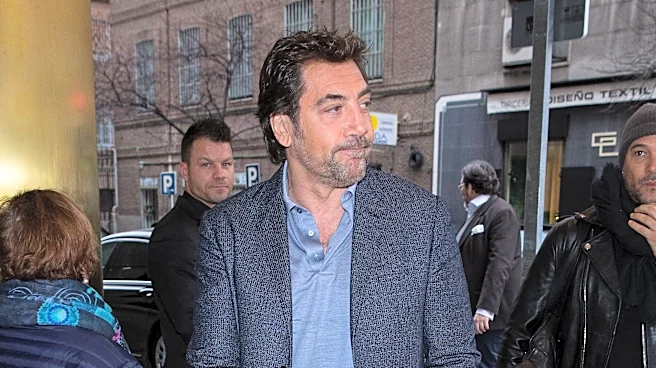
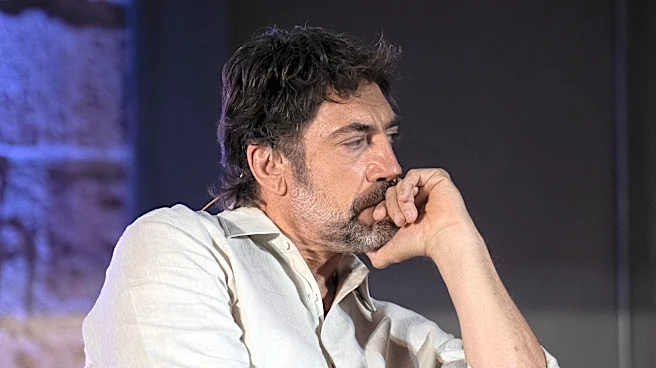
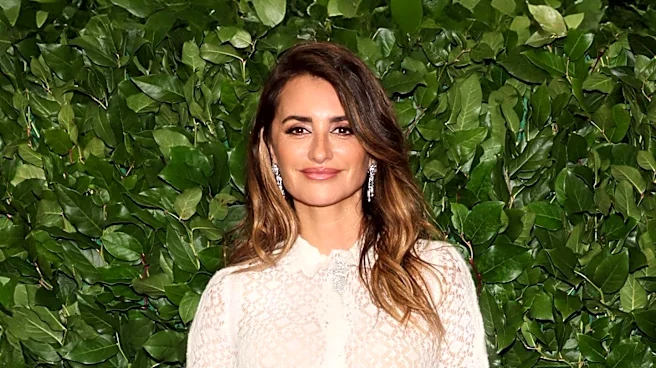
Actors Javier Bardem and Gary Oldman both identify Francis Ford Coppola's 'The Godfather Part II' as one of the greatest films ever made, according to a Rotten Tomatoes interview. Bardem praised the film for its cohesive execution, stating that "everything
works" and highlighting Al Pacino's performance as Michael Corleone. Oldman echoed this sentiment, calling it a "master class in acting, production design, directing, lighting, composition." Both actors included the 1974 sequel in their top five favorite films, with Oldman specifically noting Coppola's masterful storytelling. The film, a sequel to the Oscar-winning 'The Godfather,' faced the challenge of following a highly successful original and was released in the same year as Coppola's critically acclaimed 'The Conversation.' 'The Godfather Part II' went on to win multiple Academy Awards, including 'Best Supporting Actor' for Robert De Niro and 'Best Adapted Screenplay' for Coppola and Mario Puzo.
Why It's Important?
The shared high regard for 'The Godfather Part II' by two acclaimed actors like Javier Bardem and Gary Oldman underscores the film's enduring legacy and its significant impact on cinematic artistry. Their comments reinforce its status not just as a popular film, but as a benchmark for filmmaking excellence, influencing generations of actors, directors, and film students. This consensus from industry veterans highlights the film's technical and narrative achievements, particularly its ability to expand on an established story while maintaining artistic integrity. The film's success in a challenging sequel landscape also serves as a case study in creative risk-taking within Hollywood, demonstrating that ambitious follow-ups can surpass their predecessors when executed with vision and skill. This recognition helps solidify its place in film history and its continued relevance in discussions about cinematic masterpieces.
What's Next?
The continued discussion and appreciation of 'The Godfather Part II' by prominent figures in the film industry suggest its ongoing influence on film education and critical discourse. Future film studies and analyses are likely to continue referencing its innovative storytelling and technical prowess. The film's status as a "master class" could inspire new filmmakers to study its techniques, potentially shaping future cinematic trends. Furthermore, such endorsements from actors like Bardem and Oldman often reignite public interest in classic films, potentially leading to renewed viewership and critical re-evaluation, ensuring its legacy remains vibrant for years to come.
Beyond the Headlines
The agreement between Bardem and Oldman on 'The Godfather Part II' delves deeper than mere preference; it speaks to a shared understanding of cinematic excellence that transcends individual taste. The film's ability to portray complex moral decay through Michael Corleone's character, contrasted with Vito Corleone's rise, offers profound insights into power, family, and corruption. This narrative depth, combined with its technical brilliance, elevates it beyond entertainment to a work of art that explores universal themes. The fact that neither actor mentioned 'The Godfather Part III' subtly highlights the challenges of maintaining artistic quality across a franchise and the critical discernment within the industry regarding sequels that fail to meet high standards.