








What's Happening?
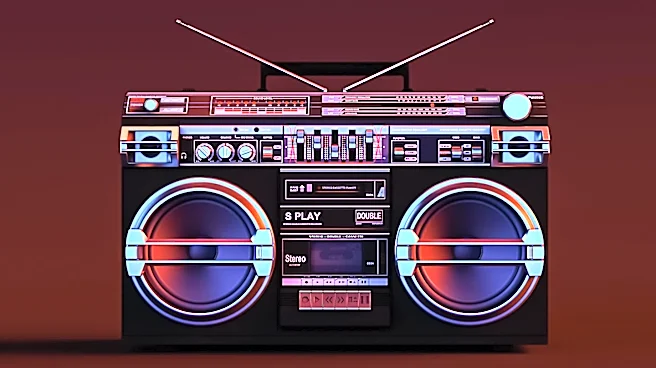
AI brands like OpenAI and Anthropic are increasingly using nostalgia in their marketing strategies to connect with consumers. These companies are incorporating elements from past decades, such as the 1980s and 1990s, into their advertising campaigns.
For instance, OpenAI's commercials feature scenarios like a young man using AI to plan a road trip in an old Volvo, set to the backdrop of classic music. This approach aims to evoke feelings of warmth and comfort associated with simpler times. The strategy is part of a broader trend where brands are tapping into the emotional appeal of nostalgia to market modern technology. However, this tactic is not without risks, as seen in past failures like Motorola's relaunch of the Razr phone, which failed due to poor product quality despite its nostalgic appeal.
Why It's Important?
The use of nostalgia in marketing by AI brands highlights a significant shift in how technology companies are trying to build consumer trust and emotional connections. By evoking memories of the past, these brands aim to humanize technology and alleviate fears about AI replacing human roles. This strategy could potentially increase consumer engagement and brand loyalty, as it taps into the emotional and cultural values of different generations. However, the effectiveness of this approach depends on the authenticity of the brand's storytelling and its ability to deliver on the promises of nostalgia. If successful, this could lead to a new era of marketing where emotional resonance is prioritized over traditional product features.
What's Next?
As AI brands continue to explore nostalgic marketing, they may face challenges in maintaining authenticity and avoiding the pitfalls of past failures. Companies will need to ensure that their products live up to the nostalgic promises made in their advertising. This could involve more rigorous product development and testing to avoid issues like those experienced by Motorola. Additionally, as consumers become more aware of marketing tactics, brands will need to find new ways to genuinely connect with their audience. The success of these campaigns could influence other industries to adopt similar strategies, potentially leading to a broader cultural shift in how products are marketed.
Beyond the Headlines
The nostalgic marketing trend also raises questions about the cultural implications of longing for the past. It reflects a societal desire for simpler times, possibly as a reaction to the rapid pace of technological change. This could lead to a deeper examination of how technology is integrated into daily life and its impact on cultural identity. Furthermore, the trend highlights the importance of storytelling in marketing, suggesting that consumers value emotional connections as much as, if not more than, the technical specifications of a product.