



What's Happening?
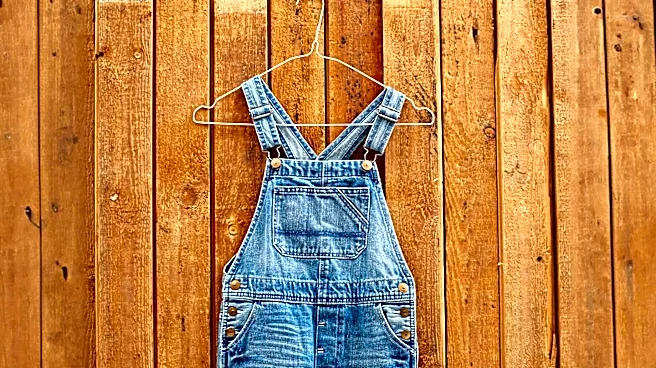
Vintage Oshkosh Overalls, originally designed as durable workwear, have transitioned into a sought-after fashion statement. The Oshkosh B’Gosh brand, established in 1895, initially produced these garments for industrial and maritime workers. By the 1920s,
their signature overalls became a staple for agricultural and factory labor due to their robust construction, featuring triple-stitched seams and reinforced pockets. Over time, as industrial jobs declined, these overalls entered second-hand markets and gained popularity among subcultures in the 1970s and 1980s. They were embraced for their utilitarian aesthetics and anti-consumerist sentiment. Collectors now seek specific production years and cuts, valuing the craftsmanship and historical significance of these garments.
Why It's Important?
The resurgence of Vintage Oshkosh Overalls highlights a broader cultural shift towards valuing authenticity and durability in fashion. This trend reflects a growing interest in sustainable and vintage clothing, as consumers increasingly prioritize quality over fast fashion. The overalls' popularity among collectors and fashion enthusiasts underscores a desire to connect with American industrial heritage and craftsmanship. This shift has implications for the fashion industry, encouraging brands to focus on long-lasting, ethically produced garments. It also impacts the second-hand market, driving demand for vintage pieces and influencing contemporary fashion design.
What's Next?
As interest in vintage workwear continues to grow, the market for Vintage Oshkosh Overalls is likely to expand. Collectors and enthusiasts will continue to seek out authentic pieces, driving up their value. This trend may inspire other brands to revisit and reissue classic designs, emphasizing durability and heritage. Additionally, the focus on sustainable fashion could lead to increased investment in second-hand and vintage markets, as consumers look for environmentally friendly alternatives to new clothing. The fashion industry may also see a rise in collaborations between vintage brands and contemporary designers, blending historical elements with modern aesthetics.