







What's Happening?
Millennials are significantly influencing interior design by rejecting traditional home decorating rules in favor of spaces that reflect their personal lifestyles, hobbies, and passions. This generation is moving away from formal, unused rooms and matching
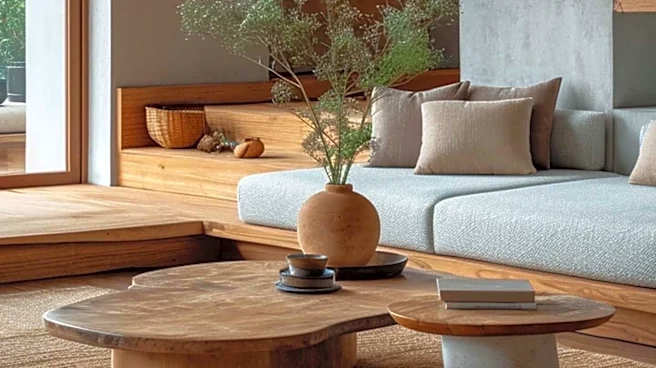
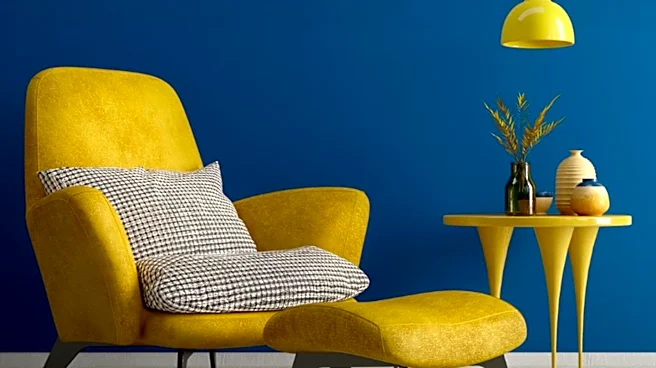
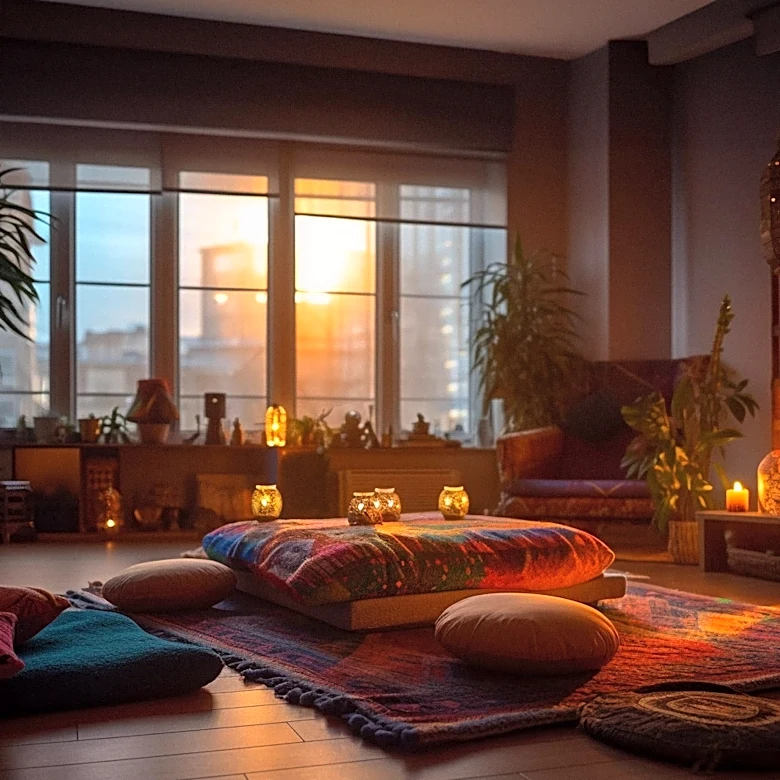
furniture sets, opting instead for eclectic, non-matching pieces. Designers note that millennials are designing their homes for how they actually live, rather than curating scenes for guests or focusing on resale value. This shift includes abandoning the idea of concealing appliances, embracing color and pattern, and engaging in 'slow decorating' where rooms are furnished over time with unique finds. A survey by Michaels and Morning Consult also indicates that millennials, along with Gen Z, are nearly six times more likely than Baby Boomers to favor playful, eclectic, maximalist, or moody holiday decorating styles.
Why It's Important?
This generational shift in home design has significant implications for the U.S. interior design industry, furniture retailers, and home goods markets. The demand for unique, non-matching pieces and personalized decor suggests a move away from mass-produced furniture sets and towards more artisanal, vintage, or customizable options. Businesses that adapt to this preference for individuality and ethical consumerism are likely to gain market share. The emphasis on functional, lived-in spaces over formal ones could also influence architectural trends and home construction, with a greater focus on flexible layouts and multi-purpose rooms. Furthermore, the preference for eclectic and maximalist holiday decor indicates a changing consumer aesthetic that retailers must acknowledge to remain relevant, potentially leading to new product lines and marketing strategies tailored to younger generations.
What's Next?
The interior design industry is expected to continue evolving to meet the preferences of millennial homeowners and renters. This will likely involve a greater emphasis on personalized design services, curated collections of unique items, and sustainable or ethically sourced home goods. Retailers may expand their offerings of customizable furniture, vintage-inspired decor, and bold color palettes. We can also anticipate a continued decline in the popularity of traditional, formal living spaces, with more homes featuring open-concept designs and dedicated areas for hobbies like reading nooks or coffee bars. The trend of 'slow decorating' suggests that consumers will be making more thoughtful, long-term purchases, potentially impacting sales cycles and inventory management for home furnishing companies. The holiday decor market will likely see an increase in playful and maximalist options to cater to the tastes of millennials and Gen Z.
Beyond the Headlines
The millennial approach to home design reflects broader cultural shifts towards authenticity, personal expression, and a rejection of conventional norms. This generation, having navigated economic challenges and a pandemic, views their homes as sanctuaries and reflections of their identity, rather than status symbols or spaces solely for entertaining. This mindset extends beyond decor to ethical consumerism and investing, indicating a deeper value system that prioritizes meaning and personal connection over superficial appearances. The 'thrill of the hunt' for unique vintage finds and the stories behind objects contribute to their perceived value, highlighting a desire for narrative and individuality in their possessions. This trend suggests a long-term shift in consumer behavior where personal values and lifestyle integration will increasingly drive purchasing decisions across various industries.