





What's Happening?
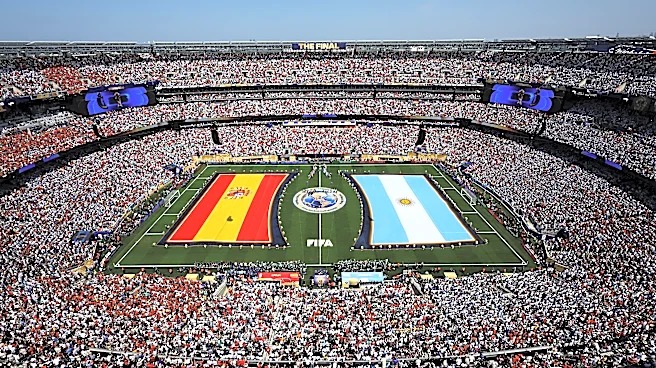
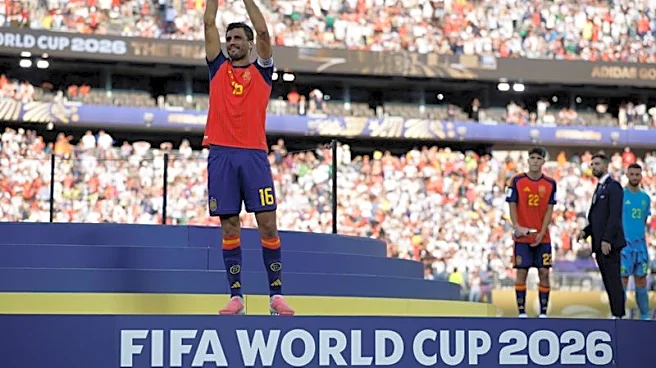
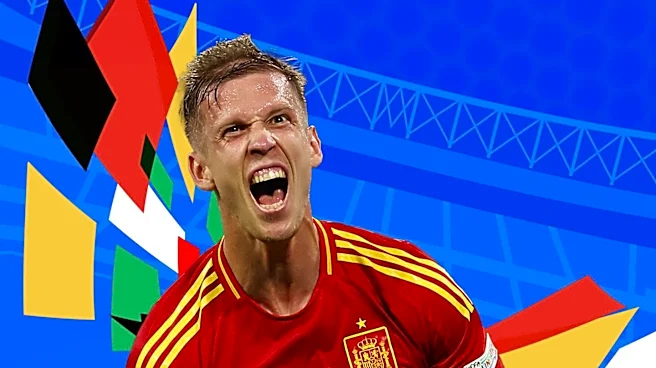
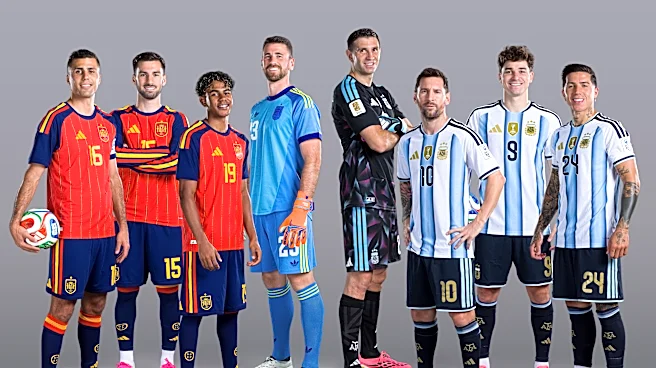
Spain's victory in the 2026 FIFA World Cup has sparked comparisons with their 2010 World Cup-winning team. Both teams are celebrated for their exceptional talent and strategic prowess. The 2010 team, led by players like Iker Casillas and Carles Puyol,
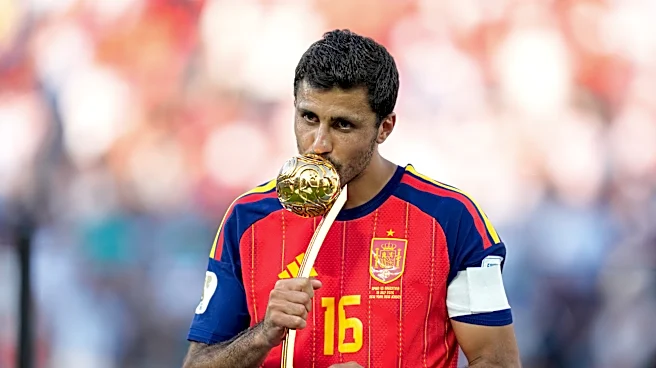
is renowned for its defensive strength and tactical discipline. In contrast, the 2026 team, featuring stars like Unai Simón and Rodri, is praised for its innovative play and record-breaking defensive performance, conceding only one goal throughout the tournament. A combined XI of these two teams highlights the strengths of both generations, showcasing players who have defined Spanish football over the years.
Why It's Important?
This comparison between Spain's 2010 and 2026 teams highlights the evolution of Spanish football over the past decade. The 2010 team set a high standard with its disciplined approach and tactical mastery, while the 2026 team has built on this legacy with a focus on innovation and adaptability. This analysis underscores the importance of strategic evolution in maintaining competitive advantage in international football. For fans and analysts, it provides a framework to appreciate the continuity and change within Spain's footballing philosophy, celebrating both past achievements and future potential.
Beyond the Headlines
The discussion around Spain's World Cup victories also touches on broader themes of national identity and cultural pride. Football is a significant part of Spain's cultural fabric, and these victories contribute to a sense of national unity and pride. Additionally, the success of these teams reflects the effectiveness of Spain's youth development programs, which have consistently produced world-class talent. This ongoing success story serves as a model for other nations aiming to achieve sustained excellence in international football.