







What's Happening?
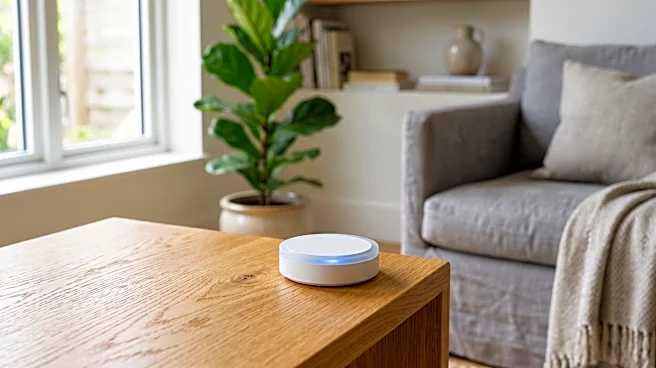
Family caregivers are increasingly utilizing technology, such as cameras, motion sensors, and wearables, to monitor elderly parents and loved ones. A February 2026 analysis indicated that the use of remote monitoring tools by family caregivers nearly
doubled from 13% in 2020 to 25% in 2025. While these technologies offer reassurance and can help detect emergencies or changes in routine, they also introduce significant ethical and legal challenges, particularly concerning privacy. Experts emphasize the importance of balancing safety with the older adult's autonomy and privacy. A study published in The Gerontologist found that adult children often view these technologies more favorably than their mothers and underestimate the importance their mothers place on participating in the decision-making process regarding monitoring. Laws governing hidden cameras, audio recording, and consent vary by state, adding a layer of complexity for caregivers.
Why It's Important?
The growing reliance on surveillance technology in elder care has profound implications for the privacy and autonomy of older adults, as well as the legal and ethical responsibilities of caregivers. While the intent is often to ensure safety and prevent neglect or abuse, constant monitoring can erode an individual's sense of independence and create an atmosphere of distrust, especially for paid caregivers. The legal landscape surrounding recording and consent is fragmented across states, creating potential legal pitfalls for caregivers who may inadvertently violate privacy laws. This issue also highlights a generational divide in perceptions of privacy and technology, where older adults may feel their personal space is being invaded, even if done out of love. The potential for technology to capture instances of abuse is a double-edged sword; while it can provide evidence, it doesn't prevent the harm and can lead to a false sense of security, diverting attention from proper vetting of care workers and regular communication.
What's Next?
As technology continues to advance and the population ages, the ethical and legal frameworks surrounding elder care surveillance will likely face increased scrutiny. There may be a push for clearer, more standardized state and federal guidelines regarding consent, recording practices, and data security in caregiving contexts. Technology developers may focus on creating less invasive tools that prioritize privacy while still providing essential safety features. Caregiving organizations and advocacy groups will likely continue to educate families on best practices, emphasizing communication with older adults, respecting their autonomy, and understanding legal requirements. The discussion will also evolve to include how to involve older adults in technology decisions, ensuring their preferences and comfort levels are prioritized. Furthermore, the role of AI in identifying patterns that might warrant attention without constant direct surveillance could become a key area of development.
Beyond the Headlines
The tension between safety and surveillance in elder care reflects broader societal debates about privacy in the digital age. It touches upon fundamental questions of individual autonomy, especially for vulnerable populations who may have diminished capacity to consent. The use of surveillance technology can inadvertently shift the focus from human connection and direct care to remote monitoring, potentially diminishing the quality of interpersonal relationships in caregiving. There's also a significant ethical dimension concerning the data collected by these devices: who owns it, how it's stored, and who has access to it. The potential for data breaches or misuse of sensitive personal information collected in private homes raises serious concerns. Ultimately, this trend challenges society to find innovative solutions that leverage technology for safety without sacrificing the dignity, privacy, and independence of older adults, emphasizing that technology should augment, not replace, compassionate human care and robust vetting processes.