





What's Happening?
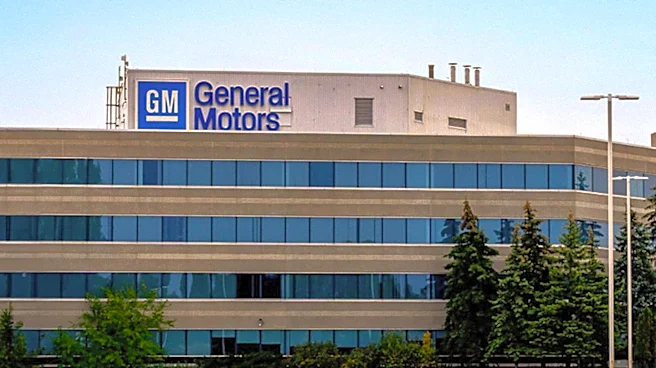
General Motors is actively recruiting a District Sales Manager for the Western Kansas region. This role is pivotal in transforming the automotive industry by connecting dealerships with GM's products, technologies, and future mobility strategies. The
selected individual will work directly with dealer partners to enhance business results, accelerate the adoption of Electric Vehicles (EVs), improve customer experiences, and introduce innovative solutions to the market. The position requires a candidate who is energized by change, passionate about people, and motivated by making a measurable impact. Key responsibilities include serving as the primary liaison between GM and dealerships, providing consultative coaching to improve operational performance and sales goals, analyzing dealership performance and market conditions, and supporting the launch of new products and initiatives. The role also involves optimizing vehicle and parts inventory management, tracking dealership commitments, and resolving customer and dealership concerns. This field-based position requires up to 75% travel within the assigned territory, which includes Kansas and Nebraska, and the candidate must reside within or relocate to Wichita or a surrounding approved area.
Why It's Important?
This recruitment highlights General Motors' strategic focus on strengthening its dealership network and accelerating its transition towards electric vehicles. By placing dedicated District Sales Managers in key regions like Western Kansas, GM aims to ensure that its dealer partners are well-equipped to handle the evolving automotive landscape, particularly the increasing demand for EVs. The role's emphasis on consultative coaching and performance analysis indicates GM's commitment to optimizing sales strategies and customer satisfaction at the local level. This initiative is crucial for GM to maintain its competitive edge in the U.S. market, as effective dealership engagement directly impacts sales volumes, brand perception, and the successful rollout of new technologies. The focus on EV adoption is particularly significant, as it aligns with broader national goals for sustainability and reduced emissions, positioning GM as a leader in the future of mobility. The success of these regional managers will directly influence GM's market share and profitability in the coming years.
What's Next?
General Motors will proceed with the hiring process for the District Sales Manager position, seeking candidates with a bachelor's degree or equivalent professional experience and at least two years in sales or marketing with a proven track record of revenue growth. Once hired, the new manager will immediately begin working with Buick and GMC dealerships across Kansas and Nebraska. Their initial focus will likely involve assessing current dealership operations, identifying areas for improvement in sales and customer experience, and implementing strategies to boost EV sales and adoption. GM will continue to support these regional roles with ongoing training and resources to ensure they can effectively drive business results and align dealerships with corporate objectives. The success of this and similar hires will be continuously monitored as GM progresses with its broader strategy of achieving 'Zero Crashes, Zero Emissions, and Zero Congestion,' with regional performance metrics playing a key role in evaluating the effectiveness of this localized approach.
Beyond the Headlines
The creation and emphasis on roles like the District Sales Manager reflect a deeper shift in the automotive industry, moving beyond traditional sales models to a more consultative and partnership-driven approach with dealerships. This shift is driven by several factors, including the complexity of new vehicle technologies like EVs, the need for enhanced customer education, and the increasing importance of digital sales and service experiences. For GM, empowering regional managers to directly influence dealership operations and EV adoption signifies a commitment to a decentralized strategy that leverages local market insights. This approach could lead to more agile responses to regional market demands and consumer preferences, fostering stronger dealer loyalty and more effective market penetration for new products. Furthermore, the role underscores the critical link between manufacturer strategy and on-the-ground execution, highlighting that the success of ambitious corporate goals, such as widespread EV adoption, ultimately depends on the effectiveness of these frontline relationships and support systems.