









What's Happening?
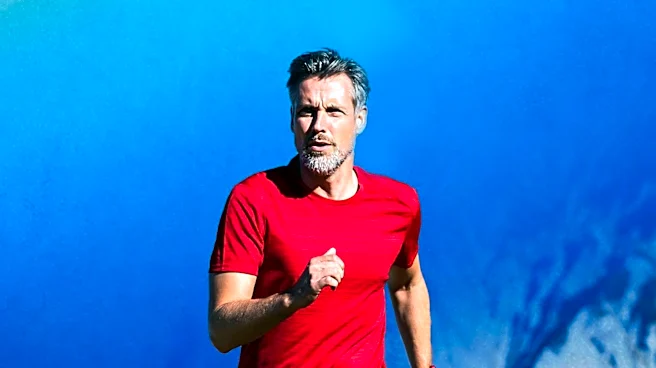
Trail running, particularly ultrarunning, is experiencing a significant rise in popularity among individuals in their midlife. This trend is highlighted by the doubling of ultrarunners in North America from 2015 to 2025, reaching over 102,000 participants.
Trail running involves running on natural terrains, such as mountains and deserts, offering a unique challenge compared to traditional road running. The sport is particularly appealing to those over 50, known as the 'grandmaster' division, who find the activity beneficial for cardiovascular health, bone density, and social connections. The supportive community and the natural beauty of the trails are major draws for these runners.
Why It's Important?
The growing interest in trail running among older adults reflects a broader trend towards maintaining an active lifestyle later in life. This shift has implications for public health, as it promotes physical fitness and mental well-being among an aging population. The sport's emphasis on endurance and adaptability aligns with the needs of older adults, who benefit from the low-impact nature of trail running. Additionally, the increase in participation may influence the outdoor recreation industry, leading to more events and products tailored to this demographic. The trend also highlights a cultural shift towards embracing outdoor activities and the nostalgia of Y2K culture, which is reflected in the fashion and music associated with trail running.
What's Next?
As trail running continues to gain traction, it is likely that more events and races will be organized to cater to the growing number of participants, particularly in the grandmaster division. This could lead to increased investment in trail maintenance and the development of new running routes. Additionally, the industry may see a rise in the production of specialized gear and apparel designed for older runners. The trend may also encourage more research into the health benefits of trail running for older adults, potentially influencing public health recommendations and policies.
Beyond the Headlines
The rise of trail running among midlife individuals may have deeper implications for societal attitudes towards aging and fitness. It challenges stereotypes about the physical capabilities of older adults and promotes a more active and engaged lifestyle. The sport's emphasis on community and support also highlights the importance of social connections in maintaining mental health and well-being. Furthermore, the environmental aspect of trail running encourages participants to engage with nature and practice sustainability, fostering a greater appreciation for natural landscapes and conservation efforts.