






What's Happening?
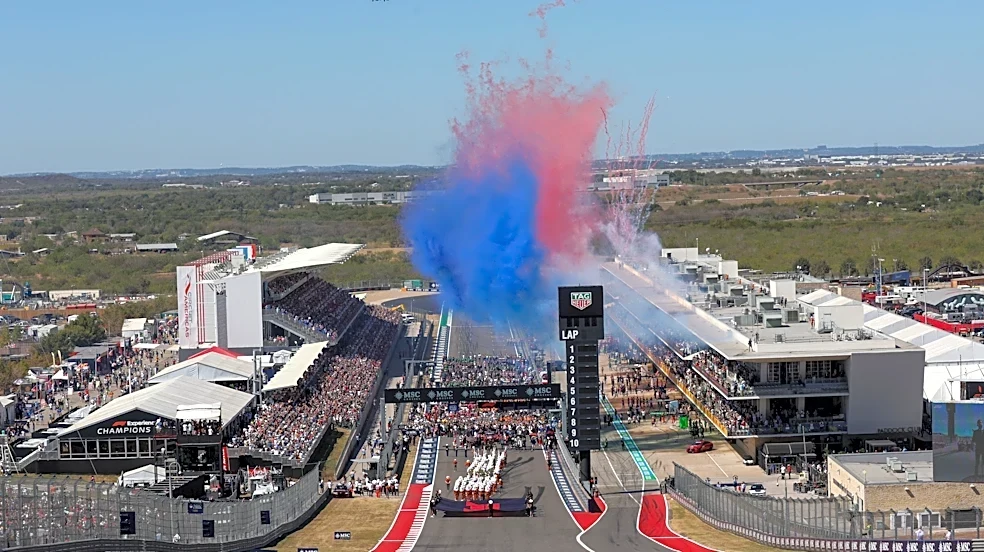
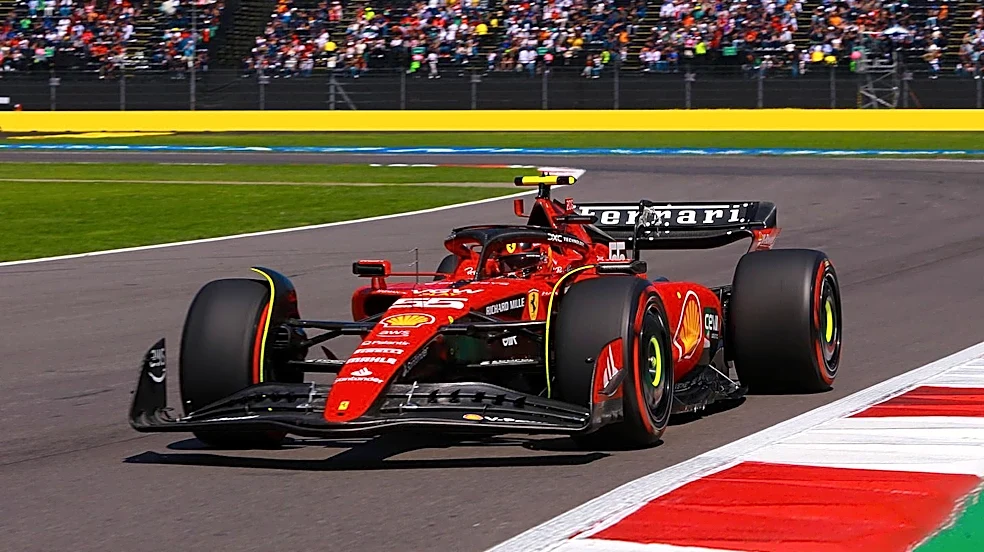
Ferrari is set to implement its last significant upgrades for the current season at the upcoming United States Grand Prix. These enhancements will include more tapered sidepods and a redesigned underbody, aiming to increase downforce and cornering speed.
Following this race, the Italian outfit will redirect its full attention to the development of its 2027 Formula 1 car, codenamed 'Project 679.' The team currently holds second place in the constructors' championship with a substantial lead over McLaren, a position crucial for end-of-season prize money. Team principal Fred Vasseur indicated that approximately 80% of the current development work can be carried over to next year's project, but the focus will soon shift entirely to the 2027 model. Temperature management is identified as a key area for the 2027 car, which will feature a new cooling scheme influencing body shapes and offering aerodynamicists fresh design possibilities.
Why It's Important?
This strategic shift by Ferrari highlights the intense, long-term planning inherent in Formula 1, where success often hinges on anticipating future regulations and technological advancements. By dedicating resources to the 2027 car now, Ferrari aims to gain a competitive edge, potentially influencing the championship landscape in the coming years. The focus on temperature management and aerodynamic redesign for the 2027 car underscores the critical role of engineering innovation in F1 performance. For the U.S. Grand Prix, the introduction of these final upgrades could impact the competitive balance, potentially affecting race outcomes and the battle for constructor points. The decision to prioritize future development over continued extensive upgrades for the current season reflects a calculated risk, balancing immediate performance with long-term championship aspirations. This approach could set a precedent for other teams in how they manage their development cycles, especially as new regulations approach.
What's Next?
Following the United States Grand Prix, Ferrari will cease major aerodynamic development on its current car and fully commit its resources to the 2027 model. This transition means that while the team will continue to compete in the remaining races of the current season, their primary engineering efforts will be directed towards 'Project 679.' The upcoming U.S. Grand Prix will serve as the final opportunity to assess the effectiveness of the current car's upgrades before the team's focus shifts. The development of the 2027 car will involve a new cooling scheme and significant body shape revisions, which will be closely watched by competitors and fans alike. The team's performance in the upcoming seasons will largely depend on the success of this early and dedicated development phase for their future car.
Beyond the Headlines
Ferrari's decision to pivot early to its 2027 car development, even while still competing in the current season, reflects a broader trend in Formula 1 where long-term strategic planning often outweighs short-term gains. This approach can lead to ethical considerations regarding resource allocation, as teams must balance the competitive integrity of the current season with the imperative to innovate for the future. The emphasis on 'temperature management' and 'aerodynamic possibilities' for the 2027 car points to the increasing complexity and sophistication of F1 engineering, pushing the boundaries of automotive technology. This long-term vision also impacts the careers of drivers and engineers, as their performance and contributions are increasingly evaluated within multi-year development cycles. The success or failure of 'Project 679' will not only determine Ferrari's future in F1 but also influence the strategic decisions of rival teams in how they approach future regulation changes.