



What's Happening?
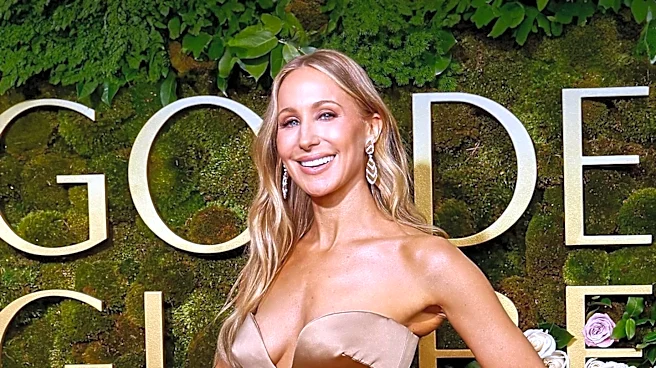
Comedian Nikki Glaser has issued an apology for a joke she made during a recent comedy show in Washington State, which targeted Briel Adams-Wheatley, a transgender content creator with a significant online following. The joke, which was brought to Adams-Wheatley's
attention by a follower, reportedly included insensitive remarks about her disability and gender identity. Adams-Wheatley, who posts under the handle @no_limbs_ and has nearly 1.5 million Instagram followers, shared the follower's message on her Instagram Story, directly questioning Glaser about the comments. Glaser responded quickly, stating that the portrayal of the joke was inaccurate but acknowledging that it was still not fun for Adams-Wheatley to hear. She expressed regret, emphasizing her dislike for anti-trans jokes and her intent to remove the joke from her act. Adams-Wheatley, born in Brazil and raised in Utah, has Hanhart syndrome, a congenital disorder affecting limb development, and creates popular content about her life, marriage, fashion, and beauty.
Why It's Important?
This incident highlights the ongoing challenges faced by marginalized communities, particularly transgender individuals and those with disabilities, in the public sphere. It underscores the responsibility of public figures, such as comedians, to consider the impact of their words and the potential for harm, even if unintended. The swift public apology from Nikki Glaser, and her commitment to remove the joke, demonstrates a growing awareness of accountability in comedy and the importance of respecting diverse identities. For Briel Adams-Wheatley, the incident brings unwanted attention but also provides a platform to advocate for greater understanding and sensitivity towards disabled trans individuals. The public reaction and Glaser's apology could influence how comedians approach sensitive topics, potentially leading to more inclusive and thoughtful humor, while also empowering individuals to speak out against offensive content.
What's Next?
Following Nikki Glaser's apology and her commitment to remove the joke from her act, the immediate next step will likely involve her ensuring that the joke is indeed no longer part of her performances. Briel Adams-Wheatley has indicated she is still processing the situation, suggesting that further public statements or reflections from her may follow. The incident could also spark broader discussions within the comedy community about the boundaries of humor, particularly concerning marginalized groups. Other comedians and content creators might re-evaluate their material to avoid similar controversies. For Adams-Wheatley, the increased visibility from this event could further amplify her platform, allowing her to continue her advocacy for disability and transgender awareness. The situation may also lead to increased scrutiny from audiences and media regarding the content of comedy shows, pushing for greater sensitivity and inclusivity.
Beyond the Headlines
Beyond the immediate controversy, this event touches upon deeper societal issues regarding representation, empathy, and the evolving landscape of public discourse. The interaction between a comedian and a disabled trans influencer highlights the power dynamics at play when humor intersects with identity. It prompts a re-examination of what constitutes acceptable humor and whether intent always absolves impact. The incident also reflects the growing influence of social media in holding public figures accountable, as Adams-Wheatley's direct address to Glaser on Instagram quickly led to a public apology. This case could serve as a precedent for how similar situations are handled in the future, emphasizing the importance of listening to and validating the experiences of those who are often marginalized. It also underscores the ongoing need for education and understanding about diverse identities, particularly within entertainment and media, to foster a more inclusive and respectful public sphere.