





What's Happening?
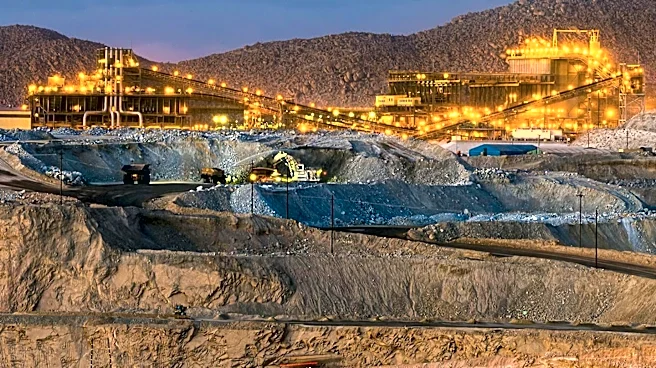
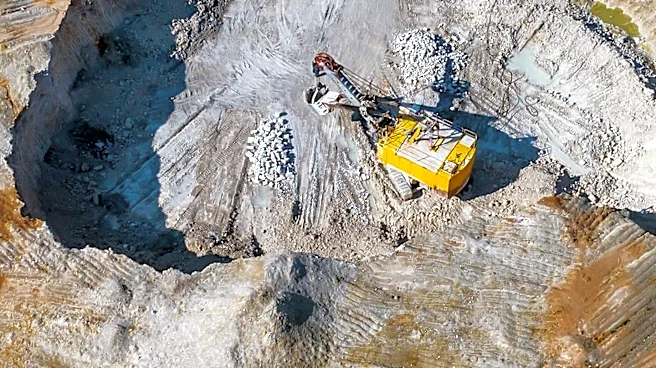
Liontown Resources (ASX:LTR) has given final approval for a $389 million expansion of its Kathleen Valley Lithium Operation located in Western Australia. This expansion aims to significantly increase the mine's production capacity, targeting an average
annual output of approximately 780,000 dry metric tonnes (dmt) of spodumene concentrate, grading 5.4% lithium oxide, over the first five years starting from fiscal year 2030. This represents an increase of over 50% from current projections, with production expected to peak above 800,000 dmt in fiscal year 2034. The first additional production is anticipated during fiscal year 2028, with construction slated for completion by the end of the first half of fiscal year 2029. Early works have already commenced, and long-lead equipment orders have been placed. The project involves accelerating the development of the Kathleen’s Corner Underground mine, complementing the existing Mt Mann Underground operation. The annual processing capacity is projected to increase from approximately 2.8 million tonnes (Mt) to 4.2 Mt through the installation of a ball mill and other necessary plant and infrastructure upgrades.
Why It's Important?
This expansion by Liontown Resources is significant for the global lithium supply chain, which is crucial for the U.S. electric vehicle (EV) and renewable energy sectors. Increased production from a major Australian supplier like Liontown can help stabilize lithium prices and ensure a more consistent supply of this critical mineral. For U.S. industries reliant on lithium-ion batteries, such as automotive manufacturers and energy storage companies, a more robust supply can mitigate risks associated with supply chain disruptions and geopolitical tensions. The expansion's target of over 50% increase in production underscores a commitment to meeting the growing demand for lithium, driven by the global transition to green technologies. This move could also influence investment decisions in U.S. domestic lithium projects by demonstrating the long-term viability and profitability of lithium mining, potentially attracting more capital to develop U.S. resources and reduce reliance on foreign imports. The company's flexibility to adjust the program based on market conditions also highlights the dynamic nature of the lithium market and the strategic considerations involved in large-scale mining investments.
What's Next?
Liontown Resources plans to fund the expansion using its existing cash reserves and operational cash flow. The company has stated it retains the flexibility to slow, defer, or halt parts of the program if market conditions shift, indicating a cautious approach to investment in a volatile market. Target operating costs after the ramp-up are projected to be between $840 and $920 per dry metric tonne sold, with the expansion expected to achieve payback approximately 2.5 years after construction concludes. The company has also revised its fiscal year 2027 capital expenditure guidance upwards, from $320 million–$370 million to $435 million–$495 million, to accommodate the expansion spending. It is important to note that 21.5% of the production inventory underpinning the target comprises inferred mineral resources, meaning there is no absolute certainty that the production targets will be achieved. The focus will now be on the timely execution of construction and the successful ramp-up of the expanded operations to meet the projected production increases and cost efficiencies.
Beyond the Headlines
The expansion of the Kathleen Valley Lithium Operation by Liontown Resources has broader implications beyond immediate production figures. It highlights the increasing global competition and investment in critical minerals, particularly lithium, which is central to the energy transition. The reliance on inferred mineral resources for a portion of the production target underscores the inherent geological and technical risks in mining projects, even for established players. This situation could influence future regulatory frameworks and investment criteria for mining projects, potentially leading to more stringent requirements for resource certainty. Furthermore, the significant capital expenditure and long-term production targets reflect a strategic bet on sustained high demand for lithium, driven by advancements in battery technology and the accelerating adoption of electric vehicles worldwide. The project's success could set a precedent for other mining companies considering similar expansions, influencing the overall supply-demand dynamics and pricing stability of lithium in the coming decade. It also emphasizes Australia's growing role as a key supplier of critical minerals to the global market, including the U.S.