







What's Happening?
Plant-based seafood alternatives, including 3D-printed salmon and white fish patties, are now available in Northeastern U.S. retail stores. Steakholder Foods, in collaboration with KeHE Distributors, announced the launch of these products. These offerings
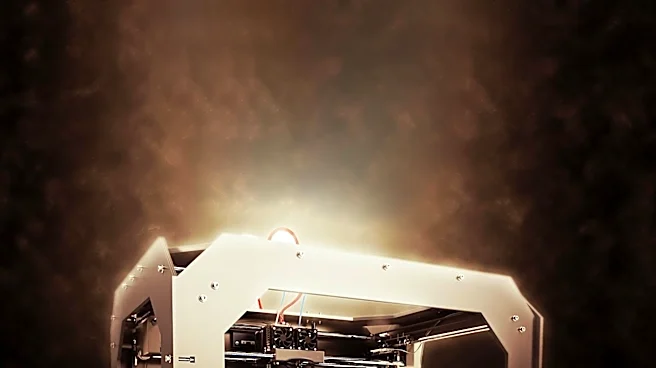
are designed to mimic the texture and appearance of conventional seafood but are made entirely from plant-based ingredients such as soy protein, rice flour, and vegetable oils. The company utilizes proprietary production technology to recreate textures, offering both whole-cut products and traditional formats. This development is part of a broader trend in the plant-based meat substitutes market, which is expanding to include new categories like seafood, catering to health-conscious consumers, flexitarians, and those concerned with sustainability. The introduction of 3D food printing technology allows for the creation of complex shapes and textures in these alternative products.
Why It's Important?
The entry of 3D-printed plant-based seafood into the U.S. retail market signifies a significant advancement in food technology and consumer choices. This innovation addresses growing consumer demand for sustainable and ethical food options, potentially reducing reliance on traditional fishing practices and their environmental impact. For the food industry, it represents a diversification of product offerings and a new frontier in manufacturing, with more flexible production methods like contract manufacturing and repurposed assets becoming prevalent. While these products offer alternatives, consumers are advised to scrutinize nutritional information, as a plant-based label does not automatically guarantee the same nutritional profile as animal-based products. The processing methods, particularly the use of isolated proteins and additives, raise questions about whether these products fall into the 'ultra-processed' category, which could have long-term health implications if they become a substantial part of one's diet.
What's Next?
The expansion of 3D-printed plant-based seafood products is likely to continue, with potential for broader distribution beyond the Northeastern U.S. Consumers can expect to see more diverse plant-based alternatives in the market as food technology advances. The success of these products will depend on consumer acceptance, taste, texture, and perceived health benefits. Manufacturers will need to address concerns regarding the 'ultra-processed' nature of some plant-based alternatives and provide clear labeling to inform consumers about ingredients and nutritional content. Further research and development in food printing technology could lead to even more realistic and nutritionally optimized plant-based options. The market will also likely see increased competition as more companies enter the plant-based seafood sector, driving innovation and potentially lowering prices.
Beyond the Headlines
The emergence of 3D-printed plant-based seafood raises deeper questions about the future of food production and consumption. It challenges traditional notions of what constitutes 'food' and blurs the lines between natural and engineered products. Ethically, it offers a path to reduce animal suffering and environmental degradation associated with conventional fishing. However, the reliance on advanced processing and additives in some plant-based products introduces new considerations regarding public health and the definition of 'healthy' eating. The technology also highlights a shift towards personalized food production, where ingredients and textures can be precisely controlled. This could lead to customized dietary solutions but also necessitates greater transparency from manufacturers and critical evaluation from consumers regarding the long-term impacts of consuming highly processed, albeit plant-based, foods.