









What's Happening?
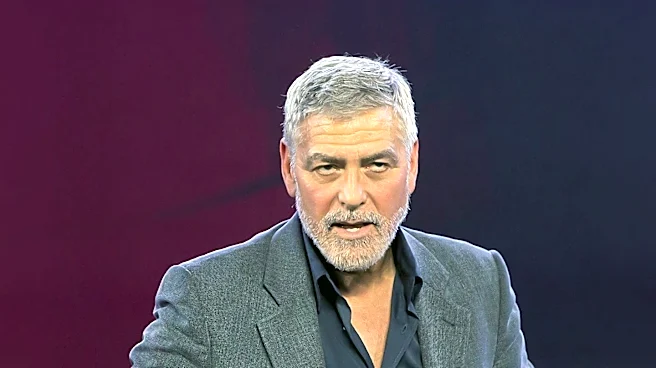
Oscar-winning actor George Clooney has shared his life philosophy, highlighting the importance of learning from failures rather than successes. Clooney believes that the fear of failure often deters individuals from taking necessary risks. He asserts
that regret stems from missed opportunities due to inaction, rather than from attempts that did not succeed. According to Clooney, success can be deceptive, potentially leading one to believe they are infallible, whereas failure compels introspection and adjustment. He views missteps not as definitive setbacks, but as chances to refine one's path, learn valuable lessons, and persevere. This perspective underscores the idea that progress is hindered more by paralysis than by temporary defeats.
Why It's Important?
George Clooney's reflections offer a significant perspective on personal and professional development, particularly relevant in a culture that often glorifies success and shies away from perceived failure. His philosophy can influence individuals across various U.S. industries and societal roles by encouraging a more resilient and experimental approach to challenges. By reframing failure as a crucial learning tool, Clooney's message could empower entrepreneurs to take calculated risks, artists to push creative boundaries, and individuals in general to pursue ambitions without being paralyzed by the fear of not succeeding. This mindset can foster innovation and personal growth, potentially leading to a more dynamic and adaptable workforce and society. It challenges the conventional view that success is the sole measure of worth, promoting a healthier relationship with setbacks.
What's Next?
While Clooney's statements are philosophical in nature, their impact could manifest in various ways. His public articulation of these beliefs may inspire discussions within educational institutions and corporate training programs about the value of embracing failure as a learning opportunity. This could lead to a shift in how risk-taking and setbacks are perceived and managed in professional environments. Furthermore, his continued public presence and advocacy for this mindset could encourage a broader cultural re-evaluation of success and failure, potentially influencing how younger generations approach their careers and personal goals. His insights might also resonate with mental health advocates, promoting a healthier outlook on challenges and reducing the stigma associated with not always succeeding.
Beyond the Headlines
Beyond the immediate implications, Clooney's philosophy touches upon deeper psychological and cultural dimensions. In a society often driven by the pursuit of perfection and instant gratification, his emphasis on the long-term value of failure offers a counter-narrative. This perspective can contribute to a more robust understanding of resilience and character development. Ethically, it promotes authenticity and courage, encouraging individuals to live without the burden of regret from unattempted endeavors. Culturally, it challenges the often-unrealistic portrayals of success in media, suggesting that true growth comes from navigating difficulties. This shift in perspective could foster a more compassionate and understanding environment, where individuals are encouraged to learn from their experiences rather than being judged solely on outcomes.