






What's Happening?
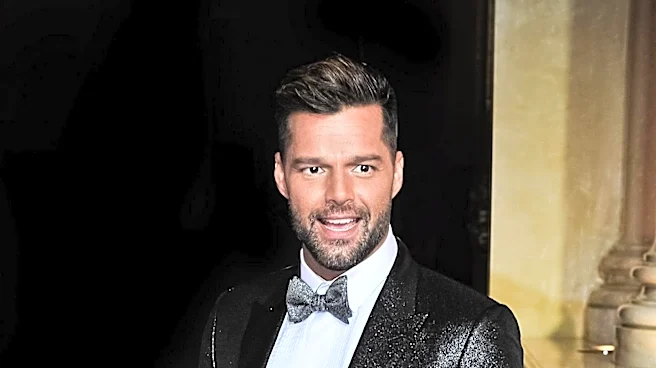
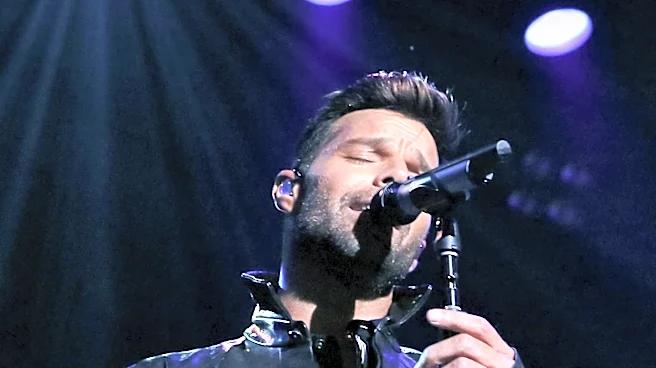
Puerto Rican superstar Ricky Martin recently disclosed details of a severe COVID-19 infection he experienced a few years ago. During an interview on a radio show hosted by Enrique Santos and Dayanara Torres, Martin revealed that his condition was so critical
he spent 50 days bedridden and felt close to death on three separate occasions. He explicitly stated that he avoided hospitalization due to a fear of being intubated, believing it would lead to a worse outcome. This harrowing experience, which he described as developing clinical anxiety during recovery, has left him with a profound sense of gratitude for life and breathing. Martin emphasized that this health crisis helped him re-evaluate his priorities and reaffirmed his mission as an artist, focusing on the importance of vulnerability and acceptance.
Why It's Important?
Ricky Martin's candid account sheds light on the psychological impact of severe COVID-19, particularly the fear and anxiety surrounding medical interventions like intubation during the pandemic's peak. His decision to avoid hospitalization, driven by a perception of risk, reflects a broader public sentiment and misinformation that circulated at the time, potentially influencing healthcare decisions for many. For public health, this narrative underscores the challenges in communicating accurate medical information and building trust during a health crisis. For the entertainment industry, it highlights the personal struggles even high-profile individuals faced, humanizing the pandemic's reach. His renewed focus on gratitude and vulnerability could resonate with fans and the wider public, promoting mental health awareness and the importance of emotional openness.
What's Next?
While Martin's severe illness occurred some years ago, his recent public disclosure could reignite conversations about the long-term mental and emotional health impacts of COVID-19 survivors. His emphasis on vulnerability might encourage others to share their own experiences, potentially fostering a more open dialogue around post-illness anxiety and trauma. For the entertainment industry, this personal revelation could influence future artistic expressions, as Martin has indicated a renewed purpose in his music and public message. It also serves as a reminder of the ongoing need for clear, trustworthy public health communication to combat misinformation, especially concerning critical medical procedures.
Beyond the Headlines
Ricky Martin's experience touches upon the complex interplay between personal autonomy, public health messaging, and the psychological toll of a global pandemic. His fear of intubation, while rooted in personal anxiety, reflects a period when public trust in medical institutions was sometimes strained by rapidly evolving information and anecdotal accounts. This situation highlights the ethical dilemmas faced by individuals when confronted with life-threatening illnesses and the difficult choices made under duress. Furthermore, his journey from near-death to a renewed sense of purpose and gratitude offers a powerful narrative of resilience, emphasizing the transformative potential of overcoming profound adversity and the importance of embracing emotional honesty in a society often pressured to maintain a facade of strength.