





What's Happening?
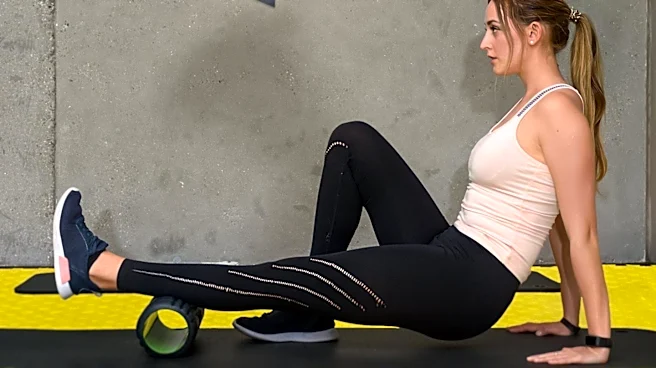
Foam rollers are increasingly being used as a self-care tool for myofascial release, which involves applying steady pressure to muscles and the connective tissue around them. Research indicates that foam rolling can lead to short-term improvements in joint
range of motion and reduce delayed muscle soreness after exercise. This technique is often incorporated into warm-up, cool-down, or rehabilitation routines. However, foam rollers do not physically break up fascia or replace professional assessment and treatment for persistent pain or injury. They are most beneficial for healthy adults experiencing mild exercise-related muscle tightness or soreness, and are commonly used on large muscle groups such as the calves, thighs, and upper back.
Why It's Important?
The use of foam rollers highlights a growing trend in self-care and fitness, emphasizing the importance of personal health management. For the fitness industry, this trend could lead to increased sales of foam rollers and related products. For individuals, foam rolling offers a cost-effective way to manage muscle soreness and improve flexibility, potentially reducing the need for more expensive treatments. However, it is crucial for users to understand that foam rolling is not a substitute for professional medical advice or treatment, especially for those with ongoing pain or medical conditions.
What's Next?
As foam rolling becomes more popular, there may be further research into its long-term benefits and potential applications. Fitness professionals might develop more comprehensive programs that incorporate foam rolling with other forms of exercise and therapy. Additionally, there could be advancements in foam roller design, offering more tailored solutions for different muscle groups and user needs.
Beyond the Headlines
The increasing popularity of foam rollers reflects a broader cultural shift towards proactive health management and self-care. This trend underscores the importance of educating consumers about the appropriate use of such tools to prevent misuse and potential injury. It also highlights the need for ongoing research into the efficacy of self-care techniques in improving physical health outcomes.