




What's Happening?
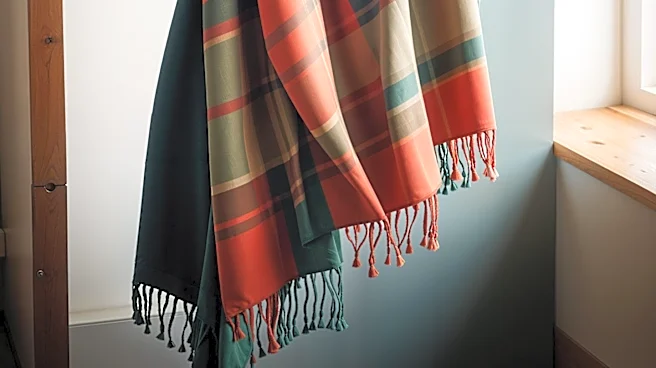
The 'Scottish country house' aesthetic is gaining popularity as a cozy interior design trend. This look emphasizes a lived-in, heritage-inspired feel, blending old-world details with fresh, livable pieces. Key elements include extensive use of tartan
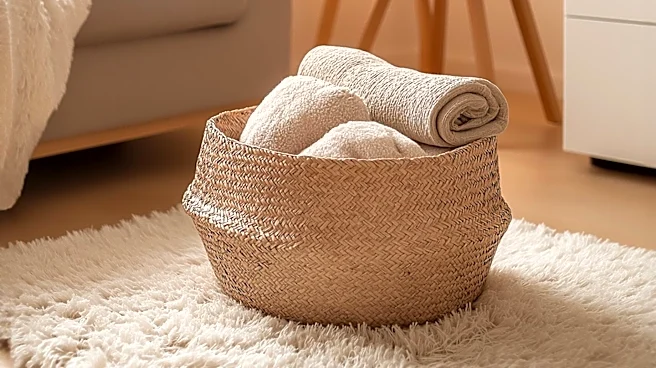
patterns, which can be incorporated through wallpaper, accent pillows, or upholstered furniture. Designers recommend mixing patterns, such as wool plaid with botanical prints or geometric designs, to create a layered and collected appearance. The trend also highlights natural materials like weathered wood, pottery, and antique brass accents, along with woven baskets for practical storage and to enhance the rustic charm. The goal is to create a warm, inviting atmosphere that feels as though it has evolved over generations, rather than being overtly styled.
Why It's Important?
This emerging trend reflects a broader consumer desire for comfort, authenticity, and a connection to heritage in home environments. For the U.S. interior design and home furnishings industries, it signals a potential shift in demand towards more traditional patterns, natural textures, and antique-inspired pieces. Retailers may see increased interest in tartan fabrics, wool products, and artisanal home decor items. This trend also encourages a more sustainable approach to decorating, as it values 'found objects with a sense of history' and pieces that appear to have been collected over time, rather than mass-produced items. It offers designers an opportunity to create spaces that feel deeply personal and rooted, moving away from more sterile or minimalist aesthetics.
What's Next?
As the Scottish country house aesthetic gains traction, we can expect to see more designers and homeowners incorporating its elements into their spaces. This may lead to an increased availability of tartan-patterned textiles, wallpapers, and home accessories in the market. Manufacturers might introduce new lines of furniture and decor that feature weathered wood finishes, antique brass, and ceramic pieces. The trend could also influence color palettes, favoring warm, autumnal tones like russets, burgundies, forest greens, and ochres. Workshops and DIY guides on incorporating vintage finds and mixing patterns might also become more popular, as consumers seek to achieve this layered, collected look in their own homes. The emphasis on coziness and heritage suggests this trend may have staying power, particularly in cooler seasons.
Beyond the Headlines
The appeal of the Scottish country house aesthetic goes beyond mere visual preference; it taps into a deeper human need for comfort, security, and a sense of belonging. In an increasingly globalized and digital world, there's a yearning for the tangible, the authentic, and the historical. This design trend offers an escape into a romanticized past, evoking images of warmth, tradition, and enduring quality. It also subtly promotes a slower, more mindful way of living, where objects have stories and spaces are designed for long-term enjoyment rather than fleeting trends. The emphasis on natural materials and collected items can also be seen as a quiet rebellion against consumerism, encouraging appreciation for craftsmanship and longevity over disposability, fostering a more sustainable and meaningful relationship with one's living environment.