








What's Happening?
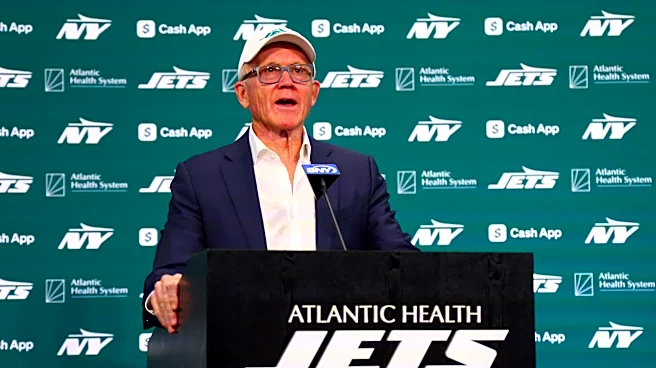
A story has emerged regarding New York Jets owner Woody Johnson's alleged decision to slash $1 million from the budget allocated for feeding athletes and staff at the team's facilities. Former Jets receiver Allen Lazard revealed in a conversation with
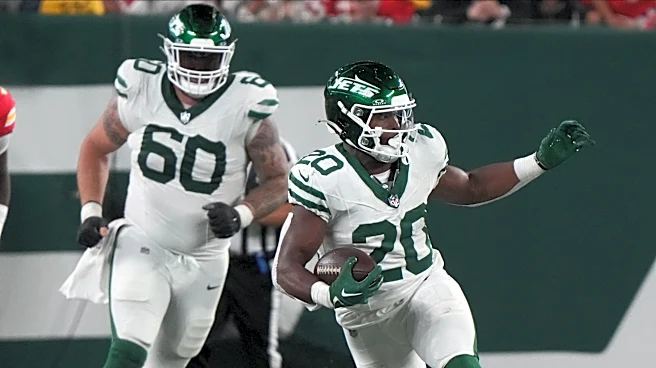
the New York Post that the reduction in budget led to a significant decrease in the quality of food provided. Lazard stated that the food caused him 'bubble guts' during practice, forcing him to hire a personal chef in New York. He suggested that the quality was so poor that even 'Sloppy Joes' would have been an improvement. This revelation comes as the Jets face a challenging season with a 2-6 record, extending their playoff drought to a potential 16th consecutive year in 2026. The team's performance and management decisions, including those by Johnson, have been a point of contention among fans.
Why It's Important?
This situation highlights potential issues in professional sports team management, where cost-cutting measures might directly impact player well-being and performance. For a professional football team, proper nutrition is crucial for athletes' physical condition, recovery, and overall ability to perform at an elite level. If players are experiencing digestive issues due to low-quality food, it could hinder their training and game-day readiness, potentially contributing to a team's poor record. The alleged decision by owner Woody Johnson to prioritize the 'bottom line' over player sustenance could be seen as detrimental to team morale and competitive success. This incident could also raise questions about the broader responsibilities of team owners towards their athletes' health and professional environment.
What's Next?
The revelation about the food budget cuts could lead to increased scrutiny of Woody Johnson's management practices and potentially spark discussions within the NFL regarding player welfare standards. While Johnson is within his rights to manage the team's finances, the public nature of Lazard's comments might pressure the organization to address concerns about player nutrition. It remains to be seen if this story will prompt any official response from the New York Jets organization or the NFL. The team's ongoing struggles on the field, coupled with such off-field controversies, could further alienate a fanbase already frustrated by years of losing seasons. Future player recruitment and retention might also be indirectly affected if potential players perceive a lack of commitment to their well-being.
Beyond the Headlines
Beyond the immediate impact on player health and team performance, this incident touches upon the ethical considerations of ownership in professional sports. It raises questions about the balance between financial profitability and investing in the core assets of a sports franchise—its players. The story could fuel a broader conversation about the working conditions and support systems provided to professional athletes, who are often seen as highly compensated but whose fundamental needs might sometimes be overlooked in the pursuit of cost efficiency. This situation could also contribute to the narrative among fans that ownership decisions are a primary factor in the team's long-standing lack of success, potentially deepening the disconnect between the franchise and its supporters.