

What's Happening?
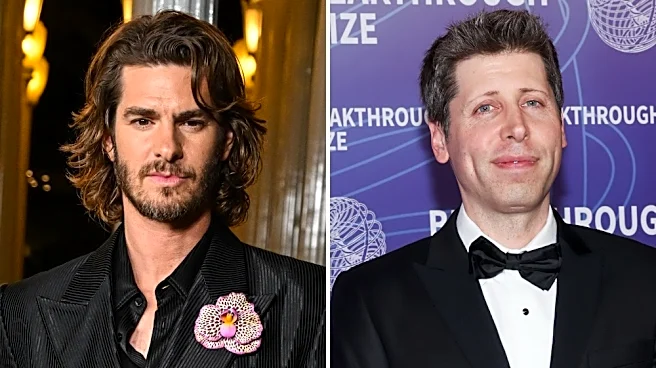
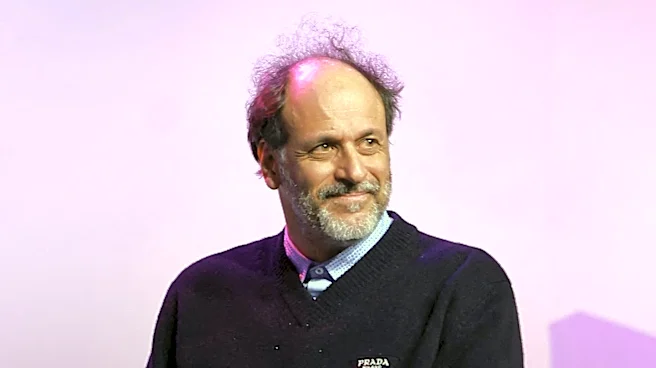
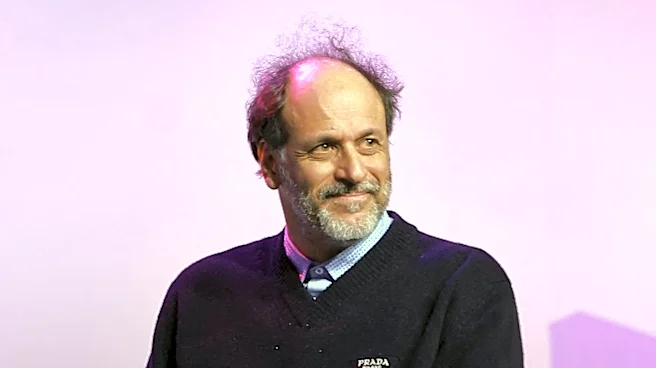
Luca Guadagnino's upcoming film 'Artificial,' which dramatizes the 2023 boardroom events at OpenAI, focusing on the ideological conflict between chief scientist Ilya Sutskever and CEO Sam Altman (portrayed by Andrew Garfield), has encountered distribution
challenges. The film was initially developed and funded by Amazon MGM Studios but was subsequently dropped due to not meeting their 'expectations.' This decision has led to speculation about internal conflicts related to the film's potentially unflattering depiction of AI governance. Amazon's move follows a significant $50 billion partnership with a tech company in February, aimed at expanding OpenAI's use of Amazon Web Services and developing custom AI models. Following its departure from Amazon MGM, 'Artificial' was acquired for theatrical distribution by NEON. Early reviews of the film highlight Andrew Garfield's performance as an eerie portrayal of a leader using public safety rhetoric to consolidate commercial power.
Why It's Important?
The distribution controversy surrounding 'Artificial' underscores the increasing tension between artistic critique and corporate interests, particularly within the rapidly evolving tech sector. Amazon MGM's decision to drop the film, especially in light of Amazon's substantial investment in AI technology, raises questions about potential corporate censorship and the influence of tech conglomerates on creative content. This incident highlights a thinning line between cinema and corporate interests, suggesting that films attempting to critically examine technological overreach may face obstacles if their narratives conflict with the financial or public relations objectives of powerful tech entities. The situation could impact the willingness of studios with tech ties to fund projects that offer critical perspectives on the industry, potentially limiting diverse narratives about technology's societal impact.
What's Next?
The film's theatrical release by NEON will be a critical next step, as it will allow audiences and critics to fully engage with its portrayal of OpenAI's internal dynamics and the broader implications of AI governance. The reception of 'Artificial' could influence future filmmaking decisions regarding tech-focused narratives, potentially encouraging more independent distributors to support projects that challenge dominant industry perspectives. The ongoing discussion around the film's distribution may also prompt further scrutiny into the relationships between major film studios, streaming platforms, and tech companies, particularly concerning editorial independence and the potential for corporate influence over content that critiques their operations or the broader tech landscape.
Beyond the Headlines
The 'Artificial' distribution saga reveals deeper implications concerning the autonomy of artistic expression in an era dominated by powerful tech and media conglomerates. The incident suggests a potential shift where the financial backing of tech giants could inadvertently shape the narratives presented to the public, particularly on sensitive topics like artificial intelligence and corporate ethics. This blurring of lines between content creation and corporate interests could lead to a form of 'soft censorship,' where critical perspectives are subtly sidelined or altered to align with corporate agendas. It also highlights the growing importance of independent distributors like NEON in providing platforms for films that might otherwise struggle to find mainstream distribution due to their challenging subject matter or critical stance against powerful industries.