







What's Happening?
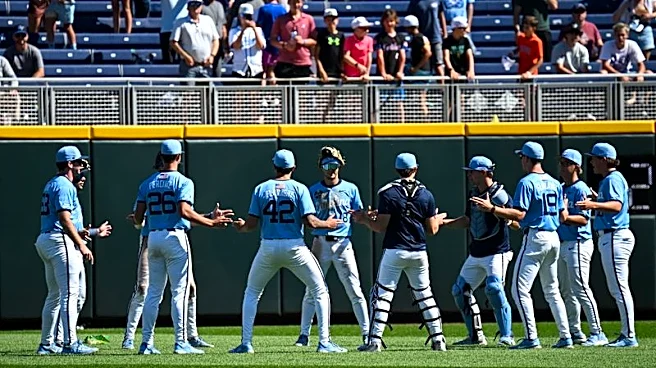
The U.S. Congress is moving closer to implementing significant changes in college sports with the advancement of the Protect College Sports Act. The bill, which recently passed the Senate Commerce Committee with a 19-9 vote, aims to establish a national
framework for athlete compensation, transfer guidelines, and healthcare protections. It also addresses the current revenue-sharing model, seeking to provide legal protection for the NCAA and its conferences. Despite its progress, the bill faces opposition from major conferences like the SEC and Big Ten, which express concerns over legal protections and revenue distribution.
Why It's Important?
The Protect College Sports Act represents a pivotal shift in the governance of college athletics, particularly in the era of Name, Image, and Likeness (NIL) deals. By standardizing regulations across the country, the bill could significantly impact how college programs operate, affecting athlete recruitment, retention, and compensation. This legislation could also influence the financial dynamics of college sports, potentially altering the competitive landscape and economic viability of various programs. Stakeholders, including athletes, universities, and sports organizations, stand to be affected by these changes.
What's Next?
The bill now heads to the Senate for further consideration. If passed, it will require implementation strategies and compliance measures from colleges and athletic programs nationwide. The ongoing debate may lead to amendments addressing the concerns of major conferences. Stakeholders will likely engage in lobbying efforts to shape the final version of the legislation, with potential implications for future legal challenges and policy adjustments in college sports.